






Vishnu Padham/ 1.5 X 2″/ Perumal Padham/ Vishnu Charan Paduka/ Brass Paduka
Highlights:
Lord Vishnu’s Sacred Footprint: The 6-inch Copper Vishnu Padam holds immense spiritual significance. It represents Lord Maha Vishnu’s sacred footprint. According to mythology, Lord Vishnu left His divine footprint on a stone while vanquishing Gayasura.
₹815 ₹950
14% Off


Vishnu Padham/ 1.7 X 2.5″/ Perumal Padham/ Vishnu Charan Paduka/ Brass Paduka
Highlights:
PADUKAI
- This idol shows a traditional Hindu religious artifact known as a Paduka, which symbolizes the divine footprints of a deity or a revered guru.
- Product Description: Divine Paduka Idol with Perumal Symbols
- Material: BRASS.
- Gift for Devotees: Often given during religious ceremonies or housewarming events as a spiritual gift.
₹1,050 ₹1,120
6% Off


Vishnu Padham/ 2.5 X 3″/ Brass Perumal Padham/ Vishnu Charan Paduka/ Puja Decor
Highlights:
Vishnu Padham
- This idol shows a traditional Hindu religious artifact known as a Paduka, which symbolizes the divine footprints of a deity or a revered guru.
- Product Description: Divine Paduka Idol with Perumal Symbols
- Material: Likely made of brass.
- Design Features: Paduka (Sacred Footprints): Represent the feet of Lord Vishnu or revered saints. These are used in worship as a mark of surrender and devotion.
- Base Engravings:Shankha (Conch) and Chakra (Disc): These are divine symbols of Lord Vishnu, representing the eternal cycle and divine sound.
- Namam : This is the Vaishnavite tilak, representing the presence of Lord Vishnu.
- Ornate Embellishments: The base is intricately designed with traditional South Indian-style motifs, common in temple art.
- Spiritual Significance, Used in Pujas: Placed on altars for daily worship or during special Vaishnavite rituals.
₹1,250 ₹1,350
7% Off

Vishnu Padham/ 2.8X3.5″/ Brass Perumal Padham/ Vishnu Charan Paduka/ Puja Decor
Highlights:
Vishnu Padham
- This idol shows a traditional Hindu religious artifact known as a Paduka, which symbolizes the divine footprints of a deity or a revered guru.
- Product Description: Divine Paduka Idol with Perumal Symbols
- Material: Likely made of brass.
- Design Features: Paduka (Sacred Footprints): Represent the feet of Lord Vishnu or revered saints. These are used in worship as a mark of surrender and devotion.
- Base Engravings:Shankha (Conch) and Chakra (Disc): These are divine symbols of Lord Vishnu, representing the eternal cycle and divine sound.
- Namam : This is the Vaishnavite tilak, representing the presence of Lord Vishnu.
- Ornate Embellishments: The base is intricately designed with traditional South Indian-style motifs, common in temple art.
- Spiritual Significance, Used in Pujas: Placed on altars for daily worship or during special Vaishnavite rituals.
₹1,380 ₹1,550
11% Off


Yoga Narasimhar/ 3″/ Panchalogam Narasimar/ Panchaloha Statue/ Narasimha Swamy
Highlights:
Narasimha sometimes rendered Narasingha, is the fourth avatar of the Hindu god Vishnu. He is regarded to have incarnated in the form of a part-lion, part-man being to slay Hiranyakashipu, to end religious persecution and calamity on earth, thereby restoring dharma. Narasimha is also described as the God of Yoga, in the form of Yoga-Narasimha.
Narasimha iconography shows him with a human torso and lower body, with a leonine face and claws, typically with the asura Hiranyakashipu in his lap, whom he is in the process of defeating. The asura king was the powerful brother of the evil Hiranyaksha, who had been previously defeated by Vishnu, and thus hated the latter. Hiranyakashipu gained a boon from Brahma due to which he could not be killed during the day or night, inside or outside the house; neither in the sky nor on land nor in Svarga nor in Patala, by any weapon, nor by a man, deva, asura, or an animal. Endowed with this boon, he began to wreak chaos and havoc, persecuting all the devotees of Vishnu, including his own son. Vishnu, cognisant of the asura’s boon, creatively assumed a hybrid form that was neither man nor animal, and slew the wicked king at the junction of day and night, at the threshold of his house, which was neither inside nor the outside, upon his lap, and with his claws. Narasimha is known primarily as the ‘Great Protector’ who specifically defends and protects his devotees from evil. The most popular Narasimha myth is the legend of his protection of his devotee Prahlada, and the slaying of Prahlada’s wicked father and tyrant, Hiranyakashipu.
Narasimha is one of the major deities in Vaishnavism, and his legends are revered in Vaikhanasas, Sri Vaishnavism, Sadh Vaishnavism, and various other Vaishnava traditions of Hinduism. He is celebrated in many regional Hindu temples, texts, performance arts, and festivals such as the Hindu festival of colours of the spring, called Holi.
One of the earliest representation of Narasimha, dating back to the 4th-century CE, is from Kondamotu in Coastal Andhra. Other older known artworks of Narasimha have been found at several sites across Uttar Pradesh and Andhra Pradesh, such as at the Mathura archaeological site. These have been variously dated between the 2nd and the 4th century CE.
₹5,950 ₹6,750
12% Off


Abdul Kalam
Highlights:
APJ ABDUL KALAM
- Avul Pakir Jainulabdeen Abdul Kalam was an Indian aerospace scientist and statesman who served as the president of India from 2002 to 2007. Born and raised in Rameswaram, Tamil Nadu, Kalam studied physics and aerospace engineering.
₹2,100 ₹2,500
16% Off


Annapoorani Statue/ 3.3″/ Annapurna Devi/ Annapoorneshwari Idol/ Brass Anna Lakshmi
Highlights:
ANNAPOORANI
- “Annapoorani” refers to “Goddess of Food“ or “Goddess of Nourishment”.
- Annapoorani is a name for a form of the Hindu goddess Durga, specifically representing abundance and prosperity through food and sustenance.
- The name is derived from the Sanskrit words “Anna” (meaning “food” or “grains”) and “Pūrṇa” (meaning “full, complete, and perfect”).
₹790 ₹940
16% Off


Annapoorani 4″
Highlights:
ANNAPOORANI
- “Annapoorani” refers to “Goddess of Food“ or “Goddess of Nourishment”.
- Annapoorani is a name for a form of the Hindu goddess Durga, specifically representing abundance and prosperity through food and sustenance.
- The name is derived from the Sanskrit words “Anna” (meaning “food” or “grains”) and “Pūrṇa” (meaning “full, complete, and perfect”).
₹1,740 ₹2,050
15% Off


Annapoorani Statue/ 5.5″/ Annapurna Devi/ Annapoorneshwari Idol/ Brass Anna Lakshmi
Highlights:
ANNAPOORANI
- “Annapoorani” refers to “Goddess of Food“ or “Goddess of Nourishment”.
- Annapoorani is a name for a form of the Hindu goddess Durga, specifically representing abundance and prosperity through food and sustenance.
- The name is derived from the Sanskrit words “Anna” (meaning “food” or “grains”) and “Pūrṇa” (meaning “full, complete, and perfect”).
₹4,980 ₹5,100
2% Off


Sampathkari 16″ (Asta Lakshmi Elephant)
Highlights:
Lakshmi is one of the principal goddesses in Hinduism. She is the goddess of wealth, fortune, power, beauty, fertility and prosperity, and associated with Maya (“Illusion”). Along with Parvati and Saraswati, she forms the Tridevi of Hindu goddesses.
Lakshmi is venerated as the prosperity aspect of the Mother goddess.
Lakshmi is both the consort and the divine energy (shakti) of the Hindu god Vishnu, the Supreme Being of Vaishnavism; she is also the Supreme Goddess in the sect and assists Vishnu to create, protect, and transform the universe.
₹26,800 ₹28,000
4% Off


Kuber Coin Vilakku
Highlights:
Kuber Coin Vilakku – Lamp of Wealth and Prosperity
Invite abundance into your home with the Kuber Coin Vilakku, a beautifully designed sacred lamp inspired by Kubera, the divine guardian of wealth. Adorned with symbolic coin detailing, this auspicious vilakku represents prosperity, financial growth, and positive energy, making it a meaningful addition to your pooja space.
Crafted with elegant detailing, this lamp is perfect for daily worship, Lakshmi pooja, festive rituals, and spiritual decor. Lighting the Kuber Coin Vilakku is believed to attract blessings of wealth, harmony, and success while enhancing the sacred atmosphere of your home.
₹225 ₹320
30% Off


Lakshmi Kuberar Vilakku (8Coins)
Highlights:
Kuberan is the god of wealth.
He is regarded as the regent of the north, and a protector of the world and also the owner of the treasures of the world.
He is associated with the earth, mountains, all treasures such as minerals and jewels that lie underground, and riches in general.
₹460 ₹550
16% Off


Bala ambikai 3.5″
Highlights:
BALA THIRIPURA SUNTHARI
“Bala Tripura Sundari” translates to “Supremely Beautiful Child Goddess of the Three (3) Worlds”.
It combines the Sanskrit words of,
- “Bala” (meaning child),
- “Tripura” (meaning three worlds or cities),
- “Sundari” (meaning beautiful woman)
The name refers to a particular aspect of the goddess Tripura Sundari, emphasizing her youthful and powerful nature.
₹1,470 ₹1,620
9% Off


Balambikai/ 4.5″/ Balambigai Statue/ Brass Idol/ Bala Tripura Sundari Devi
Highlights:
BALA THIRIPURA SUNTHARI
“Bala Tripura Sundari” translates to “Supremely Beautiful Child Goddess of the Three (3) Worlds”.
It combines the Sanskrit words of
- “Bala” (meaning child),
- “Tripura” (meaning three worlds or cities),
- “Sundari” (meaning beautiful woman)
The name refers to a particular aspect of the goddess Tripura Sundari, emphasizing her youthful and powerful nature.
₹2,100 ₹2,310
9% Off


Balambikai/ 3″/ Balambigai Statue/ Brass Idol/ Bala Tripura Sundari Devi
Highlights:
BALA THIRIPURA SUNTHARI
“Bala Tripura Sundari” translates to “Supremely Beautiful Child Goddess of the Three (3) Worlds”.
It combines the Sanskrit words of
- “Bala” (meaning child),
- “Tripura” (meaning three worlds or cities),
- “Sundari” (meaning beautiful woman)
The name refers to a particular aspect of the goddess Tripura Sundari, emphasizing her youthful and powerful nature.
₹1,150 ₹1,380
17% Off


Balambikai Panchalogam Miniature
Highlights:
BALA THIRIPURA SUNTHARI
“Bala Tripura Sundari” translates to “Supremely Beautiful Child Goddess of the Three (3) Worlds”.
It combines the Sanskrit words of
- “Bala” (meaning child),
- “Tripura” (meaning three worlds or cities),
- “Sundari” (meaning beautiful woman)
The name refers to a particular aspect of the goddess Tripura Sundari, emphasizing her youthful and powerful nature.
₹2,200 ₹2,450
10% Off


Modern Crown Ganesh Murti/ 3″/ Ganpati Murti/ Vinayaka Idol/ Brass Vinayagar Idol
Highlights:
Ganesha, the son of Lord Shiva and Devi Parvati is popularly worshipped under different names like Sumukha, Ekadanta, Kapila, Gajakarna, Lambodara, Vikath, Vidhnanashaka, Vinayaka, Dhumraketu, Ganadhayaksha, Bhalchandra and Gajanana.
The large elephant head of Lord Ganesha symbolizes wisdom, understanding, and a discriminating intellect that one must possess to attain perfection in life.
mooshak (mouse) also symbolizes uncontrolled desires and ego that can nibble all that is good and noble in a person.
₹840 ₹1,035
19% Off


Kamarajar
Highlights:
KAMARAJAR
Kumaraswami Kamaraj, popularly known as Kamarajar was an Indian independence activist and politician who served as the Chief Minister of Madras from 13 April 1954 to 2 October 1963.
₹1,630 ₹1,800
9% Off
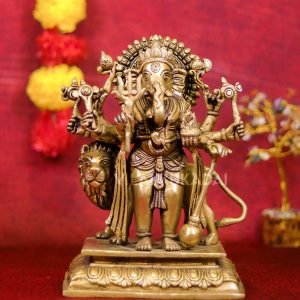

Kandhrishti Ganapathy/ 9″/ Subha Drishti Ganapathi/ Brass Shubha Drishti Ganesha
Highlights:
Ganesha, the son of Lord Shiva and Devi Parvati is popularly worshipped under different names like Sumukha, Ekadanta, Kapila, Gajakarna, Lambodara, Vikath, Vidhnanashaka, Vinayaka, Dhumraketu, Ganadhayaksha, Bhalchandra and Gajanana.
The large elephant head of Lord Ganesha symbolizes wisdom, understanding, and a discriminating intellect that one must possess to attain perfection in life.
mooshak (mouse) also symbolizes uncontrolled desires and ego that can nibble all that is good and noble in a person.
₹8,338 ₹8,625
3% Off


Karpaga Virutcham Tree/ 17″/ Kalpavriksha Tree/ Karpaga Viruksham/ Brass Karpaga Maram
Highlights:
Karpaga Virutcham – Sacred Tree of Prosperity and Abundance
Enhance your home with the divine presence of the Karpaga Virutcham, the sacred celestial tree known in Hindu tradition as the wish-fulfilling tree that symbolizes prosperity, harmony, and positive energy. Beautifully crafted with intricate detailing, this spiritual décor piece represents growth, wealth, and fulfillment of aspirations.
The Karpaga Virutcham is considered auspicious for homes, offices, and prayer spaces, attracting abundance while creating a serene and elegant atmosphere. Its artistic design makes it both a meaningful spiritual symbol and a graceful decorative accent.
₹7,550 ₹7,950
5% Off


Karpaga Virutcham Tree/ 6.5″/ Kalpavriksha Tree/ Karpaga Viruksham/ Brass Karpaga Maram
Highlights:
Karpaga Virutcham – Sacred Tree of Prosperity and Abundance
Enhance your home with the divine presence of the Karpaga Virutcham, the sacred celestial tree known in Hindu tradition as the wish-fulfilling tree that symbolizes prosperity, harmony, and positive energy. Beautifully crafted with intricate detailing, this spiritual decor piece represents growth, wealth, and fulfillment of aspirations.
The Karpaga Virutcham is considered auspicious for homes, offices, and prayer spaces, attracting abundance while creating a serene and elegant atmosphere. Its artistic design makes it both a meaningful spiritual symbol and a graceful decorative accent.
₹1,615 ₹1,940
17% Off


Balambikai On Lotus/ 7″/ Balambigai Statue/ Brass Idol/ Bala Tripura Sundari Devi
Highlights:
BALA THIRIPURA SUNTHARI
“Bala Tripura Sundari” translates to “Supremely Beautiful Child Goddess of the Three (3) Worlds”.
It combines the Sanskrit words of
- “Bala” (meaning child),
- “Tripura” (meaning three worlds or cities),
- “Sundari” (meaning beautiful woman)
The name refers to a particular aspect of the goddess Tripura Sundari, emphasizing her youthful and powerful nature.
₹5,120 ₹6,150
17% Off


Mouse Ganesh Murti/ 4.5″/ Ganpati Murti/ Vinayaka Idol/ Brass Idol/ Vinayagar
Highlights:
Ganesha, the son of Lord Shiva and Devi Parvati is popularly worshipped under different names like Sumukha, Ekadanta, Kapila, Gajakarna, Lambodara, Vikath, Vidhnanashaka, Vinayaka, Dhumraketu, Ganadhayaksha, Bhalchandra and Gajanana.
The large elephant head of Lord Ganesha symbolizes wisdom, understanding, and a discriminating intellect that one must possess to attain perfection in life.
mooshak (mouse) also symbolizes uncontrolled desires and ego that can nibble all that is good and noble in a person.
₹1,806 ₹2,082
13% Off


Murugan With Thiruvachi SF 7.5″
Highlights:
Murugar or Kandhan is the Tamil God of war and victory.
Murugar, considered as the son of Shiva and Parvathi.
Murugar is considered the God of Tamil language and he is mentioned a lot in Sangam literature.
Murugar has six shrines in Tamil Nadu, which are known as Arupadaiveedu.
The six abodes of Karthikeya are all in Tamil Nadu.
The six sites (padaiveedu) in Tamil Nadu where Murugar sojourned while leading his armies are Palani, Swamimalai, Thiruparamkundram, Pazhamudirsolai, Thiruthani and Thiruchendur, the Arupadaiveedu.
₹3,195 ₹3,680
13% Off


Natarajar Idol/ 10″/ Siva Natraja Murti/ Shiva Natraj Statue/ Brass Idol
Highlights:
Nataraja is a depiction of the Hindu god Shiva as the divine cosmic dancer. His dance is called Tandava.The pose and artwork are described in many Hindu texts such as the Tevaram, Thiruvasagam in Tamil.
He is commonly referred as Koothan( கூத்தன்), Sabesan( சபேசன்) and Ambalavanan (அம்பலவாணன்) in various Tamil texts.
The sculpture is symbolic of Shiva as the lord of dance and dramatic arts, with its style and proportions made according to Hindu texts on arts. Tamil Devotional texts such as Tirumurai (The twelve books of Southern Shaivism) speaks that Nataraja is the form of Shiva in which he does Creation, destruction, Preserving, Maya and Blessing.Thus Nataraja is considered one of the highest forms of Shiva
₹5,770 ₹5,900
2% Off


Natarajar Idol/ 22″/ Shiva Natraj Statue/ Siva Natraja Murti/ Brass Idol
Highlights:
Nataraja is a depiction of the Hindu god Shiva as the divine cosmic dancer. His dance is called Tandava.The pose and artwork are described in many Hindu texts such as the Tevaram, Thiruvasagam in Tamil.
He is commonly referred as Koothan( கூத்தன்), Sabesan( சபேசன்) and Ambalavanan (அம்பலவாணன்) in various Tamil texts.
The sculpture is symbolic of Shiva as the lord of dance and dramatic arts, with its style and proportions made according to Hindu texts on arts. Tamil Devotional texts such as Tirumurai (The twelve books of Southern Shaivism) speaks that Nataraja is the form of Shiva in which he does Creation, destruction, Preserving, Maya and Blessing.Thus Nataraja is considered one of the highest forms of Shiva
₹34,850 ₹36,000
3% Off


Natarajar/ 30″/ Shiva Natraj Statue/ Siva Natraja Murti/ Brass Idol
Highlights:
Nataraja is a depiction of the Hindu god Shiva as the divine cosmic dancer. His dance is called Tandava.The pose and artwork are described in many Hindu texts such as the Tevaram, Thiruvasagam in Tamil.
He is commonly referred as Koothan( கூத்தன்), Sabesan( சபேசன்) and Ambalavanan (அம்பலவாணன்) in various Tamil texts.
The sculpture is symbolic of Shiva as the lord of dance and dramatic arts, with its style and proportions made according to Hindu texts on arts. Tamil Devotional texts such as Tirumurai (The twelve books of Southern Shaivism) speaks that Nataraja is the form of Shiva in which he does Creation, destruction, Preserving, Maya and Blessing.Thus Nataraja is considered one of the highest forms of Shiva
₹53,100 ₹54,500
3% Off


Natarajar Idol/ 4″/ Siva Natraja Murti/ Shiva Natraj Statue/ Brass Idol
Highlights:
Nataraja is a depiction of the Hindu god Shiva as the divine cosmic dancer. His dance is called Tandava.The pose and artwork are described in many Hindu texts such as the Tevaram, Thiruvasagam in Tamil.
He is commonly referred as Koothan( கூத்தன்), Sabesan( சபேசன்) and Ambalavanan (அம்பலவாணன்) in various Tamil texts.
The sculpture is symbolic of Shiva as the lord of dance and dramatic arts, with its style and proportions made according to Hindu texts on arts. Tamil Devotional texts such as Tirumurai (The twelve books of Southern Shaivism) speaks that Nataraja is the form of Shiva in which he does Creation, destruction, Preserving, Maya and Blessing.Thus Nataraja is considered one of the highest forms of Shiva
₹850 ₹1,050
19% Off


Natarajar Idol/ 5.5″/ Siva Natraja Murti/ Shiva Natraj Statue/ Brass Idol
Highlights:
Nataraja is a depiction of the Hindu god Shiva as the divine cosmic dancer. His dance is called Tandava.The pose and artwork are described in many Hindu texts such as the Tevaram, Thiruvasagam in Tamil.
He is commonly referred as Koothan( கூத்தன்), Sabesan( சபேசன்) and Ambalavanan (அம்பலவாணன்) in various Tamil texts.
The sculpture is symbolic of Shiva as the lord of dance and dramatic arts, with its style and proportions made according to Hindu texts on arts. Tamil Devotional texts such as Tirumurai (The twelve books of Southern Shaivism) speaks that Nataraja is the form of Shiva in which he does Creation, destruction, Preserving, Maya and Blessing.Thus Nataraja is considered one of the highest forms of Shiva
₹1,555 ₹1,850
16% Off

Panchalogam Vel 5″
Highlights:
Panchalogam Vel – Sacred Symbol of Divine Protection
Invoke the blessings of Lord Murugan with this beautifully crafted Panchalogam Vel, a powerful symbol of courage, wisdom, and spiritual protection. Made from the auspicious Panchalogam (five-metal alloy), this sacred Vel represents divine energy and is traditionally worshipped for removing obstacles and attracting positive vibrations.
Designed with intricate detailing and a graceful finish, this spiritual piece is ideal for pooja rooms, home altars, temples, and devotional gifting. The presence of the Vel is believed to bring strength, prosperity, and divine guidance into your life.
₹800 ₹900
11% Off

Radha Krishna 30″ Glossy Antique
Highlights:
Krishna is a major deity in Hinduism. He is worshipped as the eighth avatar of Vishnu and also as the Supreme god in his own right.
He is the god of protection, compassion, tenderness, and love is one of the most popular and widely revered among Indian divinities.
Krishna’s birthday is celebrated every year by Hindus on Krishna Janmashtami according to the lunisolar Hindu calendar.
Within the Indian epic Mahabharata, Krishna was the son of the Yadava chief Vasudeva and his mother was Devaki. Hence he was known as Vāsudeva-Krishna or Vāsudeva.
₹115,250 ₹120,000
4% Off


Sangu Baby Krishna Murti/ 4.5″/ Laddu Gopal Murti/ Kanha Ji/ Brass Krishnar
Highlights:
KRISHNA WITH FLUTE
- God Krishna with a flute symbolizes divine music, spiritual devotion, and the enchanting qualities of Krishna.
- It represents a connection to spirituality, love for music, and a desire for inner peace.
- The flute is also a powerful symbol of love and devotion, capturing the essence of divine music that resonates with the hear, Krishna’s flute is often associated with the divine sound of the universe, representing the vibrations of spiritual awakening
₹1,950 ₹2,225
12% Off


Swarna Akarshana Bhairava With Arch Panchalogam/ 7″/ Swarna Akarshana Bairavar/ Swarna Bhairavar
Highlights:
Bhairava is also called upon as protector, as he guards the eight directions of the universe.
He is a powerful manifestation, or avatar, of Shiva associated with annihilation. In Trika system Bhairava represents Supreme Reality, synonymous to Para Brahman.
Bhairava is also called Dandapani, as he holds a rod or Danda to punish sinners, and Svaśva, meaning “whose vehicle is a dog”.
₹11,390 ₹11,500
1% Off


Swarnalakshmi Idol/ 7.5″/ Laxmi Murti/ Brass Idol
Highlights:
Lakshmi is one of the principal goddesses in Hinduism. She is the goddess of wealth, fortune, power, beauty, fertility and prosperity, and associated with Maya (“Illusion”). Along with Parvati and Saraswati, she forms the Tridevi of Hindu goddesses.
Lakshmi is venerated as the prosperity aspect of the Mother goddess.
Lakshmi is both the consort and the divine energy (shakti) of the Hindu god Vishnu, the Supreme Being of Vaishnavism; she is also the Supreme Goddess in the sect and assists Vishnu to create, protect, and transform the universe.
₹6,410 ₹7,700
17% Off


Thiruvalluvar Statue/ 6″/ Tiruvalluvar Idol/ Brass Decor/ Showpiece
Highlights:
- This hand-crafted piece may have slight irregularities and imperfections which only add to the unique charm of the product.
This product is crafted from brass that is considered to be a sacred metal and traditionally used in prayer accessories.
SHIPPING INFO:
Dispatched in a maximum of 7 business days. This item is not eligible for return. Cancellation requests will be accepted strictly within 24 hours of placing the order only. This product is made on order.
For ordering out of India please Contact us in Whatsapp. Website shipment only within India
₹4,585 ₹5,280
13% Off


Karpaga Virutcham Tree With Agal Vilakku/ 9″/ Kalpavriksha Tree/ Brass Karpaga Viruksham
Highlights:
Karpaga Virutcham Tree with Agal – Sacred Lamp of Prosperity
Bring home the divine charm of the Karpaga Virutcham Tree with Agal, a beautifully crafted spiritual décor piece that combines the sacred wish-fulfilling tree with a traditional agal lamp. Symbolizing prosperity, positivity, and fulfillment of wishes, this elegant piece adds both spiritual significance and artistic beauty to your home.
The intricate tree design represents growth, abundance, and blessings, while the built-in agal creates a warm, soothing glow during prayers and festive occasions. Perfect for pooja rooms, living spaces, or gifting, this unique decor item enhances the sacred atmosphere of any setting.
₹2,210 ₹2,550
13% Off


Varahi Amman/ 3.75″/ Brass Idol/ Pooja Decor/ Varahi Idol
Highlights:
Varahi Amman Divine Idol – Symbol of Protection and Prosperity
Bring the powerful blessings of Varahi Amman, the revered goddess of courage, protection, and abundance, into your home with this beautifully crafted divine idol. Designed with intricate detailing and a graceful finish, this sacred piece reflects the majestic presence of the goddess and enhances the spiritual ambiance of any space.
₹1,670 ₹2,100
20% Off


Varahi Amman/ 5″/ Brass Idol/ Pooja Decor/ Varahi Idol
Highlights:
Varahi Amman Divine Idol – Symbol of Protection and Prosperity
Bring the powerful blessings of Varahi Amman, the revered goddess of courage, protection, and abundance, into your home with this beautifully crafted divine idol. Designed with intricate detailing and a graceful finish, this sacred piece reflects the majestic presence of the goddess and enhances the spiritual ambiance of any space.
₹2,420 ₹3,210
25% Off

Varahi Amman/ 7″/ Brass Idol/ Pooja Decor
Highlights:
Varahi Amman Divine Idol – Symbol of Protection and Prosperity
Bring the powerful blessings of Varahi Amman, the revered goddess of courage, protection, and abundance, into your home with this beautifully crafted divine idol. Designed with intricate detailing and a graceful finish, this sacred piece reflects the majestic presence of the goddess and enhances the spiritual ambiance of any space.
Made from high-quality materials, the idol is ideal for home pooja rooms, temples, festive gifting, and spiritual decor. Devotees believe that worshipping Varahi Amman helps remove obstacles, ward off negative energies, and invite strength and prosperity into life.
₹4,560 ₹6,060
25% Off


Varahi Amman With Thiruvachi/ 6.5″/ Brass Idol/ Pooja Decor/ Varahi Idol
Highlights:
Varahi Amman Divine Idol – Symbol of Protection and Prosperity
Bring the powerful blessings of Varahi Amman, the revered goddess of courage, protection, and abundance, into your home with this beautifully crafted divine idol. Designed with intricate detailing and a graceful finish, this sacred piece reflects the majestic presence of the goddess and enhances the spiritual ambiance of any space.
₹3,450 ₹4,500
23% Off


Varahi Amman With Thiruvachi/ 4.75″/ Brass Idol/ Pooja Decor/ Varahi Idol
Highlights:
Varahi Amman Divine Idol – Symbol of Protection and Prosperity
Bring the powerful blessings of Varahi Amman, the revered goddess of courage, protection, and abundance, into your home with this beautifully crafted divine idol. Designed with intricate detailing and a graceful finish, this sacred piece reflects the majestic presence of the goddess and enhances the spiritual ambiance of any space.
₹2,000 ₹2,400
17% Off


Varahi Amman With Thiruvachi/ 9″/ Brass Idol/ Pooja Decor/ Varahi Idol
Highlights:
Varahi Amman Divine Idol – Symbol of Protection and Prosperity
Bring the powerful blessings of Varahi Amman, the revered goddess of courage, protection, and abundance, into your home with this beautifully crafted divine idol. Designed with intricate detailing and a graceful finish, this sacred piece reflects the majestic presence of the goddess and enhances the spiritual ambiance of any space.
₹5,820 ₹7,740
25% Off


Vinayagar With Thiruvachi/ 7″/ Ganesh Murti/ Ganpati Murti/ Vinayaka Idol/ Brass Idol
Highlights:
Ganesha, the son of Lord Shiva and Devi Parvati is popularly worshipped under different names like Sumukha, Ekadanta, Kapila, Gajakarna, Lambodara, Vikath, Vidhnanashaka, Vinayaka, Dhumraketu, Ganadhayaksha, Bhalchandra and Gajanana.
The large elephant head of Lord Ganesha symbolizes wisdom, understanding, and a discriminating intellect that one must possess to attain perfection in life.
mooshak (mouse) also symbolizes uncontrolled desires and ego that can nibble all that is good and noble in a person.
₹5,813 ₹6,693
13% Off
Out Of Stock


3 Face Shiva/ 8″/ Siva/ Mahadev Shiv Murti/ Brass Idol/ Pooja Decor
Highlights:
The Hindu God Shiva was originally known as Rudra, a minor deity addressed only three times in the Rig Veda. Shiva is known as “The Destroyer” within the Trimurti, the Hindu trinity which also includes Brahma and Vishnu. In the Shaivite tradition, Shiva is the Supreme Lord who creates, protects and transforms the universe.
Shiva is known by many names such as Viswanatha (lord of the universe), Mahadeva, Mahandeo, Mahasu, Mahesha, Maheshvara, Shankara, Shambhu, Rudra, Hara, Trilochana, Devendra (chief of the gods), Neelakanta, Subhankara, Trilokinatha (lord of the three realms), and Ghrneshwar (lord of compassion).
₹11,390 ₹13,670
17% Off
Out Of Stock


3 Vasthu Tortoise Statue/ Brass Turtle Statue/ Kachua Feng Shui/ Vasthu Showpiece
Highlights:
Tortoise
Bring stability, longevity, and positive energy into your home with the Tortoise decorative piece, a traditional symbol of patience, protection, and good fortune. Beautifully crafted with fine detailing, it is often placed in pooja rooms, entrances, or living spaces to attract peace and prosperity. Ideal for home decor and gifting, this elegant tortoise adds a calming and auspicious touch to any environment while reflecting cultural and spiritual significance.
₹4,505 ₹5,190
13% Off
Out Of Stock


₹750 ₹940
20% Off
Out Of Stock


Aathi Yogi/ 2.5 x 3.5 “/ Brass Idol/ Adiyogi Statue/ Aadi Shiv Murti/ Shiva Statue
Highlights:
The Hindu God Shiva was originally known as Rudra, a minor deity addressed only three times in the Rig Veda. Shiva is known as “The Destroyer” within the Trimurti, the Hindu trinity which also includes Brahma and Vishnu. In the Shaivite tradition, Shiva is the Supreme Lord who creates, protects and transforms the universe.
Shiva is known by many names such as Viswanatha (lord of the universe), Mahadeva, Mahandeo, Mahasu, Mahesha, Maheshvara, Shankara, Shambhu, Rudra, Hara, Trilochana, Devendra (chief of the gods), Neelakanta, Subhankara, Trilokinatha (lord of the three realms), and Ghrneshwar (lord of compassion).
₹2,580 ₹3,225
20% Off
Out Of Stock


Aathi Yogi/ 2.5″/ Brass Adiyogi Statue/ Adiyogi Shiva/ Aadi Shiv Murti/ Adishiv
Highlights:
The Hindu God Shiva was originally known as Rudra, a minor deity addressed only three times in the Rig Veda. Shiva is known as “The Destroyer” within the Trimurti, the Hindu trinity which also includes Brahma and Vishnu. In the Shaivite tradition, Shiva is the Supreme Lord who creates, protects and transforms the universe.
Shiva is known by many names such as Viswanatha (lord of the universe), Mahadeva, Mahandeo, Mahasu, Mahesha, Maheshvara, Shankara, Shambhu, Rudra, Hara, Trilochana, Devendra (chief of the gods), Neelakanta, Subhankara, Trilokinatha (lord of the three realms), and Ghrneshwar (lord of compassion).
₹1,150 ₹1,440
20% Off
Out Of Stock


Abishekam Peedam Copper/ Abhisheka Patra/ Abhishekam Vessel/ Purna Patra
Highlights:
Abishekam Peedam
Enhance your sacred rituals with the Abishekam Peedam, a beautifully crafted pedestal specially designed for performing abhishekam on idols and spiritual objects. Symbolizing purity and devotion, this traditional peedam provides a stable and elegant base for worship while helping maintain a clean and organized pooja space. Ideal for pooja rooms, temples, and special ceremonies, it adds a refined spiritual touch and makes an essential addition to your devotional setup.
₹4,495 ₹5,400
17% Off
Out Of Stock


Annapoorani Copper/ 3″/ Annapurna Devi/ Annapoorneshwari Idol/ Anna Lakshmi
Highlights:
Annapoorani statue is crafted from a copper material ,often holding a ladle and bowl, symbolizing her role as a provider of sustenance.
ANNAPOORANI
- “Annapoorani” refers to “Goddess of Food“ or “Goddess of Nourishment”.
- Annapoorani is a name for a form of the Hindu goddess Durga, specifically representing abundance and prosperity through food and sustenance.
- The name is derived from the Sanskrit words “Anna” (meaning “food” or “grains”) and “Pūrṇa” (meaning “full, complete, and perfect”).
₹2,550 ₹2,820
10% Off
Out Of Stock


Annapoorani Panchalogam
Highlights:
Panchalogam also know as aimpon , பஞ்சலோகம் a.k.a ஐம்பொன்
Panchalogam is a composition / mixture of five metals. It is used to make idols/statues and jewellery. Since its less expensive, Most people have a wrong perception, that, “who can not afford gold ornaments or jewellery go for (buy) Pancha loham”,. People buy pancha loham with the belief that it will bring balance to their body and mind. Its widely believed, Wearing a jewellery made of Panchaloha / Panchdhatu brings balance in life, self-confidence, good health, fortune, prosperity and peace of mind. The land and our body we dwell may have imbalance in composition of metals ~ i.e., more or less of a particular metal[s] or a absence of a metal. The secret of wearing jewellery made out of pancha loham is, it provides balance in totality…i.e., balance of life-force (prana sakthi), and thus provides Nutrient and energy to the wearers !!!
If we use jewellery made out of pancha loham there will be no question on our self-confidence, good health, fortune, prosperity and peace of mind. These are the five metals present in the human body. Studies have revealed many individuals lack some of these metal components in the body. These rings help in filling the absent component to help bring stability and positivity in one’s life. They help people to shrug off the negativity and be inclined towards their career goals and motives. These metals also compliment various gem stones which are used alongside. It is essential for you to use it if you are looking for fresh changes in your dull life.
SHIPPING INFO:
Dispatched in a maximum of 20-30 business days. This item is not eligible for return. Cancellation requests will be accepted strictly within 24 hours of placing the order only. This product is made on order.
For ordering out of India please Contact us in Whatsapp. Website shipment only within India.
₹9,780 ₹12,225
20% Off
Out Of Stock


Annapoorani Statue Lightweight/ 2.5″/ Annapurna Devi/ Annapoorneshwari/ Anna Lakshmi
Highlights:
Annapoorani Statue
The Annapoorani Statue is a beautifully crafted idol of Goddess Annapoorani, the divine goddess of food, nourishment, abundance, and prosperity. Designed with intricate detailing and a graceful traditional finish, this statue symbolizes blessings, well-being, and endless abundance in the home.
Usages:
- Perfect for daily pooja and spiritual practices
- Ideal for kitchens and dining spaces for blessings of abundance
- Suitable for home temples and devotional decor
- Used during religious ceremonies and festive occasions
- Enhances spiritual and traditional ambiance
- Excellent gifting option for housewarming and special occasions
₹900 ₹1,150
22% Off
Out Of Stock


Annapoorani Statue With Arch/ 9 X 4.6″/ Brass Idol/ Annapurna/ Anna Lakshmi
Highlights:
ANNAPOORANI
- “Annapoorani” refers to “Goddess of Food“ or “Goddess of Nourishment”.
- Annapoorani is a name for a form of the Hindu goddess Durga, specifically representing abundance and prosperity through food and sustenance.
- The name is derived from the Sanskrit words “Anna” (meaning “food” or “grains”) and “Pūrṇa” (meaning “full, complete, and perfect”).
₹5,490 ₹6,860
20% Off
Out Of Stock


Annapoorani Statue/ 2.5″/ Brass Annapurna Devi/ Annapoorneshwari Idol/ Anna Lakshmi
Highlights:
ANNAPOORANI
- “Annapoorani” refers to “Goddess of Food“ or “Goddess of Nourishment”.
- Annapoorani is a name for a form of the Hindu goddess Durga, specifically representing abundance and prosperity through food and sustenance.
- The name is derived from the Sanskrit words “Anna” (meaning “food” or “grains”) and “Pūrṇa” (meaning “full, complete, and perfect”).
₹510 ₹600
15% Off
Out Of Stock


Annapoorani Statue/ 2.7″/ Brass Annapurna Devi/ Annapoorneshwari Idol/ Pooja Decor
Highlights:
ANNAPOORANI
- “Annapoorani” refers to “Goddess of Food“ or “Goddess of Nourishment”.
- Annapoorani is a name for a form of the Hindu goddess Durga, specifically representing abundance and prosperity through food and sustenance.
- The name is derived from the Sanskrit words “Anna” (meaning “food” or “grains”) and “Pūrṇa” (meaning “full, complete, and perfect”).
₹775 ₹950
18% Off
Out Of Stock


Annapoorani Statue/ 2″/ Brass Annapurna/ Annapoorneshwari/ Annapurneshwari/ Anna Lakshmi
Highlights:
Brass Annapoorani Amman Idol
Invite divine nourishment and abundance into your home with this beautifully crafted Annapoorani Amman idol in pure brass. Goddess Annapoorani, the embodiment of food, prosperity, and motherly care, blesses devotees with nourishment, well-being, and fullness in life.
Intricately designed with traditional temple-style detailing, this idol reflects compassion, grace, and sacred beauty. The rich natural brass finish enhances its timeless and classic appeal, making it ideal for daily pooja and festive rituals.
Perfect for pooja rooms, kitchens, and auspicious gifting, this sacred idol symbolizes never-ending abundance and divine blessings.
₹410 ₹620
34% Off
Out Of Stock


Annapoorani Statue/ 2″/ Brass Idol/ Annapurna Devi/ Anna Lakshmi/ Pooja Mandir
Highlights:
ANNAPOORANI
- “Annapoorani” refers to “Goddess of Food“ or “Goddess of Nourishment”.
- Annapoorani is a name for a form of the Hindu goddess Durga, specifically representing abundance and prosperity through food and sustenance.
- The name is derived from the Sanskrit words “Anna” (meaning “food” or “grains”) and “Pūrṇa” (meaning “full, complete, and perfect”).
₹600 ₹750
20% Off
Out Of Stock


Annapoorani Statue/ 3.5″/ Brass Annapurna Devi/ Annapoorneshwari/ Anna Lakshmi
Highlights:
ANNAPOORANI
- “Annapoorani” refers to “Goddess of Food“ or “Goddess of Nourishment”.
- Annapoorani is a name for a form of the Hindu goddess Durga, specifically representing abundance and prosperity through food and sustenance.
- The name is derived from the Sanskrit words “Anna” (meaning “food” or “grains”) and “Pūrṇa” (meaning “full, complete, and perfect”).
₹1,300 ₹1,560
17% Off
Out Of Stock


Annapoorani Statue/ 3″/ Annapurna Devi/ Brass Idol/ Annapoorneshwari Idol/ Anna Lakshmi
Highlights:
Annapoorani Statue
Annapoorani (also known as Annapurna or Annapoorna Devi) is the Hindu goddess of food, nourishment, and abundance. She is considered a form of Goddess Parvati and symbolizes prosperity, compassion, and the importance of feeding others.
Significance of Annapoorani
- Represents abundance, nutrition, and the removal of hunger.
- Worshipped for prosperity, well-being, and a plentiful household.
- Believed to bless devotees with food security and happiness.
₹925 ₹1,070
14% Off
Out Of Stock


Annapoorani/ 2.5″/ Copper Annapurna/ Annapoorneshwari/ Annapurneshwari/ Anna Lakshmi
Highlights:
Annapoorani statue is crafted from a copper material ,often holding a ladle and bowl, symbolizing her role as a provider of sustenance.
ANNAPOORANI
- “Annapoorani” refers to “Goddess of Food“ or “Goddess of Nourishment”.
- Annapoorani is a name for a form of the Hindu goddess Durga, specifically representing abundance and prosperity through food and sustenance.
- The name is derived from the Sanskrit words “Anna” (meaning “food” or “grains”) and “Pūrṇa” (meaning “full, complete, and perfect”).
₹1,140 ₹1,345
15% Off
Product categories
- Accessories (227)
- Gomathy Chakram (7)
- Karungali (34)
- Metal Cleaner (1)
- Panchalogam Kappu (36)
- Panchalogam Pendant (139)
- Ruthratcham (7)
- Emporium collection and Light Weight Idols (163)
- Home Decor (447)
- Brass Planters (3)
- Decorative bell (17)
- Decorative Idols (29)
- Toy Cart (13)
- Decorative Jula (25)
- Decorative lamps (Vilakku) (41)
- Decorative locks (9)
- Decorative Thiruvachi Peedam and Mandapam (12)
- Door Knocker (4)
- Flower Vase (1)
- Hanging Lamps (15)
- Jewel box (1)
- Pallankuli (2)
- Urli (55)
- Decorative urli (39)
- Plain Urli (9)
- Prasadha Urli (7)
- Wall Mount (202)
- Wall Hanging (188)
- Wall Hanging Vilakku (9)
- Wall Mount Brackets (7)
- Idols (1772)
- Birds And Animals (88)
- Brass God Idols (721)
- Ayyapan (18)
- Chakrathalwar (5)
- Christian idols (3)
- Dasavatharam Set (6)
- Dhanvanthiri (9)
- Guruvayurappan (4)
- Hanuman and Garudan (48)
- Krishna (96)
- Kuberan & Laughing Buddha (12)
- Lakshmi Hayagrivar (7)
- Lakshmi Narashimhar (5)
- Lakshmi Varahar (2)
- Maduraiveeran & Karuppanasamy (4)
- Murugan (57)
- Natarajar (21)
- Other God Idols (3)
- Perumal (87)
- Ram parivar (13)
- Ramar (3)
- Ranganathar (5)
- Shivan [Siva] (101)
- Bairavar (7)
- Lingam and Nandi (42)
- Varahar (1)
- Vinayagar (214)
- Brass Goddess Idols (310)
- Andal (5)
- Angalamman (5)
- Annapoorani (25)
- Balambikai (8)
- Ganesha Lakshmi Saraswathi (19)
- Gayathri Devi (1)
- Jodi amman (2)
- Kaali (7)
- Kamatchi (12)
- Karumariamman (12)
- Kolkata kaali (3)
- Lakshmi (82)
- Maariamman (11)
- Meenakshi (8)
- Prathyangira devi (2)
- Rajamadhangi (3)
- Rajarajeshwari (11)
- Saraswathi (32)
- Simma Durgai (22)
- Sivagami (4)
- Tulja Bhavani Amman (5)
- Varahi (19)
- Vishnu durgai (1)
- Copper Idols (194)
- Copper Annapoorani (6)
- Copper Gomatha And KamaDenu (5)
- Copper Hanuman And Garudan Idol (14)
- Copper Krisna Idol (17)
- Copper Kuberan Idol (2)
- Copper Lakshmi idol (9)
- Copper Lakshmi Narasihmar idol (8)
- Copper Meenakshi Idol (3)
- Copper Mini Urli (4)
- Copper murugan idols (4)
- Copper Other God Idols (30)
- Copper Other Godess Idol (10)
- Copper Perumal (Vishnu) Idol (33)
- Copper Saraswathi Idol (5)
- Copper Shivan And Lingam Nandhi (16)
- Copper Varahar Idol (4)
- Copper Varahi Idol (7)
- Copper Vinayagar Idol (15)
- Devotional symbols (70)
- Mahameru (17)
- Perumal padham (6)
- Sangu (2)
- Sangu Chakra Namam stand (12)
- Thiri soolam (7)
- Vel (25)
- Guru and Motivational Leaders Idols (43)
- Aadhi Sankarar (1)
- Abdul Kalam (1)
- Buddha (16)
- Dattatreyar (3)
- kamarajar (1)
- Patanjali (1)
- Ragavendhar (3)
- Ramanujar (2)
- Sai Baba (7)
- Sivaji (2)
- Thiruvalluvar (1)
- Viveganandhar (1)
- Panchalogam (315)
- Panchalogam Agathiyar idol (6)
- Panchalogam Balambika idol (8)
- Panchalogam Durgai Idol (6)
- Panchalogam Gomatha And Kamadhenu Idol (5)
- Panchalogam Kamatchi Idol (10)
- Panchalogam Lakshmi Idol (11)
- Panchalogam Mahameru ,Vel ,Sulam (30)
- Panchalogam Mariamman (19)
- Panchalogam Meenakshi And Andal Idol (11)
- Panchalogam Miniature idol (46)
- Panchalogam Murugan Idol (50)
- Panchalogam Natarajar , Lingam And Nandhi Idol (37)
- panchalogam Other God Idol (47)
- panchalogam Other Godess Idol (23)
- Panchalogam perumal (4)
- Panchalogam Rajamathangi Idol (10)
- Panchalogam Rajarajeshwari (Lalithambikai) idol (6)
- Panchalogam Vinayagar Idol (21)
- Vaasthu Idols (84)
- Gomatha and Kamadhenu (38)
- Karpaga Virutcham (19)
- Laksmi Kubearar (10)
- Vaasthu Tortoise (11)
- Vaasthu Vilakku (5)
- Kitchen Products (129)
- Coffee Filter And Dabara Set (11)
- Glass (3)
- Kitchen Vessels (52)
- Frying Pan (2)
- Kudam (2)
- Masala Box (6)
- Other Produts (5)
- Padi (9)
- Plates And Thambulam (18)
- Pongal Paanai and Laddles (11)
- Prasadha Bowls (6)
- Spoon And Ladles ( karandi ) (11)
- Pooja Items (319)
- Agarbathi Stand (7)
- AMMAN DRESS (3)
- Arathi (35)
- Chandan Cup (3)
- Decorative Pooja Items (7)
- Dhoobakkal (31)
- Flower Basket & Pookudai (8)
- Hand Bell (11)
- Kalasam (22)
- Kendi (6)
- Kumkum Chimil (14)
- Lota (31)
- Manai and chowki (59)
- Antique Manai (29)
- Mukali (2)
- Peedam (8)
- Pintray (14)
- Round Stool (7)
- Mini para (9)
- Pancha pathiram and Udhrani (8)
- Panneer Sombu & Water Sprinkler (1)
- Pooja Box (6)
- Pooja Plates and Thambulam (23)
- Prasatha Kinnam (12)
- Thiri Stand (4)
- Varalakshmi Nombu (9)
- Vengalam mix prasadha bowls and plates (5)
- Vibuthi Bowls (2)
- Return Gifts (51)
- Special Collections (609)
- Varahi (91)
- Vilakku (401)
- 7 Muga vilakku (10)
- Agal Vilakku (31)
- Antique Kuthu Vilakku (9)
- Decor Lamp (Vilakku) (116)
- Decor Annam Vilakku (22)
- Decorative lamps (26)
- Flower lamps (4)
- Ganesh Lamp (11)
- Garudan Vilakku (2)
- Lakshmi lamp (9)
- Parrot Lamp (7)
- Peacock lamp (Vilakku) (12)
- Sangu Chakra Namam Lamp (4)
- Elephant lamp (5)
- Hanging Vilakku and Sara Vilakku (12)
- Idols lamps ( vilakku) (12)
- Kamatchi Vilakku (61)
- Karpoor Lamp (8)
- Kubera Vilakku (13)
- Kuthu vilakku (46)
- Annam Vilakku (7)
- Karaikudi Kuthuvilakku (4)
- Kerala Vilakku (8)
- kilai vilakku (4)
- Nachiyar Kovil (10)
- Pirai Vilakku (3)
- Thiruneveli Vilakku (2)
- Mada Vilakku (5)
- Moogambikai Vilakku (1)
- Nanda Vilakku (8)
- Om Agal (16)
- Paavai Vilakku (28)
- Panchalogam Vilakku (4)
- Perumal And Vishnu Vilakku (32)
- Pradosha Vilakku (3)
- Sastha Vilakku [ Ayyapan Vilakku] (6)
- Srichakkara Navarathna Vilakku (1)