







Brass Antique Manai/ 6″/ Pooja Chowki/ Peedam Bajot/ Patla/ Puja Mandir
Highlights:
Brass Manai (Peedam)
Brass Manai (Peedam) is a traditional raised platform or stool made from brass, commonly used in South Indian households for religious and cultural purposes. Known for its sturdy construction and elegant finish, it often features engraved or plain designs that reflect heritage craftsmanship. This manai is considered auspicious and is an essential item in pooja setups, ceremonies, and rituals.
Usages:
-
- Pooja Setup: Used as a base to place idols, lamps, or kalash during pooja
- Seating for Rituals: Traditionally used as a seat for priests, bride, or groom during ceremonies
- Festivals & Functions: Commonly used in weddings, housewarming, and auspicious occasions
- Sacred Platform: Provides a clean and elevated space for religious offerings
- Decorative Use: Adds a rich, traditional look to pooja rooms and home decor
₹2,095 ₹2,515
17% Off


Brass Manai/ 4.4″/ Pooja Chowki/ Bajot/ Patla/ Peedam/ Puja Mandir
Highlights:
Brass Manai
A Brass Manai is a traditional South Indian sitting plank or low seat, often used during rituals, pooja, weddings, and other cultural ceremonies. It is typically made of wood and covered or decorated with brass sheets, giving it a rich golden appearance.
Usage
- Pooja & Rituals: Used as a seat for performing religious ceremonies.
- Weddings: Bride and groom sit on the manai during certain rituals.
- Festivals: Placed for special pooja setups or to keep idols.
- Home Use: Can be used as a low stool or decorative platform.
₹1,385 ₹1,665
17% Off


PEEDAM WITH THIRUVACHI 10.5″
Highlights:
A decorative Thiruvachi Peedam is a sacred Indian altar piece, featuring an ornate arch (Thiruvachi/Prabhavali) symbolizing divine light, atop a sturdy base (Peedam) for idols or lamps, often brass or five-metal, with intricate carvings for home shrines. A Mandapam is a more elaborate, sometimes temple-style, structure or canopy for deities, also highly decorated, offering a grander setting for worship, sometimes featuring bells or ornate finishes.
Thiruvachi Peedam (Arch & Base)
- What it is: A framed arch (Thiruvachi/Prabhavali) set on a solid base (Peedam).
- Design: Intricate traditional engravings, celestial motifs, often with a warm golden glow from brass or Panchaloha (five metals).
- Function: Frames the deity, symbolizing a cosmic aura or divine light, providing a stable, sacred spot for idols.
- Use: Home altars, pooja rooms, festive decorations for Diwali, Navaratri, etc..
Mandapam (Canopy/Shrine)
- What it is: A miniature temple-like structure, canopy, or ornate platform for deities.
- Design: Elaborate, featuring pillars, roofs, decorative bells, and rich finishes (e.g., rosewood), creating a grand setting.
- Function: A divine dwelling or elaborate stage for idols, enhancing the spiritual atmosphere of a larger pooja setup.
- Use: Larger home shrines, special religious ceremonies, or temple altars.
Key Differences
- Thiruvachi Peedam: Focuses on framing a single deity with an aura, smaller scale, ideal for compact spaces.
- Mandapam: A miniature temple structure, offering a complete, grander enclosure for idols, often for bigger celebrations or permanent setups.
₹7,400 ₹8,510
13% Off


PEEDAM WITH THIRUVACHI 5.5″
Highlights:
A decorative Thiruvachi Peedam is a sacred Indian altar piece, featuring an ornate arch (Thiruvachi/Prabhavali) symbolizing divine light, atop a sturdy base (Peedam) for idols or lamps, often brass or five-metal, with intricate carvings for home shrines. A Mandapam is a more elaborate, sometimes temple-style, structure or canopy for deities, also highly decorated, offering a grander setting for worship, sometimes featuring bells or ornate finishes.
Thiruvachi Peedam (Arch & Base)
- What it is: A framed arch (Thiruvachi/Prabhavali) set on a solid base (Peedam).
- Design: Intricate traditional engravings, celestial motifs, often with a warm golden glow from brass or Panchaloha (five metals).
- Function: Frames the deity, symbolizing a cosmic aura or divine light, providing a stable, sacred spot for idols.
- Use: Home altars, pooja rooms, festive decorations for Diwali, Navaratri, etc..
Mandapam (Canopy/Shrine)
- What it is: A miniature temple-like structure, canopy, or ornate platform for deities.
- Design: Elaborate, featuring pillars, roofs, decorative bells, and rich finishes (e.g., rosewood), creating a grand setting.
- Function: A divine dwelling or elaborate stage for idols, enhancing the spiritual atmosphere of a larger pooja setup.
- Use: Larger home shrines, special religious ceremonies, or temple altars.
Key Differences
- Thiruvachi Peedam: Focuses on framing a single deity with an aura, smaller scale, ideal for compact spaces.
- Mandapam: A miniature temple structure, offering a complete, grander enclosure for idols, often for bigger celebrations or permanent setups.
r
₹2,640 ₹3,040
13% Off


PEEDAM WITH THIRUVACHI 7″
Highlights:
A decorative Thiruvachi Peedam is a sacred Indian altar piece, featuring an ornate arch (Thiruvachi/Prabhavali) symbolizing divine light, atop a sturdy base (Peedam) for idols or lamps, often brass or five-metal, with intricate carvings for home shrines. A Mandapam is a more elaborate, sometimes temple-style, structure or canopy for deities, also highly decorated, offering a grander setting for worship, sometimes featuring bells or ornate finishes.
Thiruvachi Peedam (Arch & Base)
- What it is: A framed arch (Thiruvachi/Prabhavali) set on a solid base (Peedam).
- Design: Intricate traditional engravings, celestial motifs, often with a warm golden glow from brass or Panchaloha (five metals).
- Function: Frames the deity, symbolizing a cosmic aura or divine light, providing a stable, sacred spot for idols.
- Use: Home altars, pooja rooms, festive decorations for Diwali, Navaratri, etc..
Mandapam (Canopy/Shrine)
- What it is: A miniature temple-like structure, canopy, or ornate platform for deities.
- Design: Elaborate, featuring pillars, roofs, decorative bells, and rich finishes (e.g., rosewood), creating a grand setting.
- Function: A divine dwelling or elaborate stage for idols, enhancing the spiritual atmosphere of a larger pooja setup.
- Use: Larger home shrines, special religious ceremonies, or temple altars.
Key Differences
- Thiruvachi Peedam: Focuses on framing a single deity with an aura, smaller scale, ideal for compact spaces.
- Mandapam: A miniature temple structure, offering a complete, grander enclosure for idols, often for bigger celebrations or permanent setups.
₹4,190 ₹4,820
13% Off
Out Of Stock
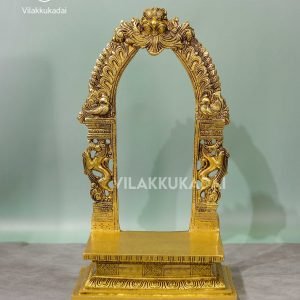

Peedam with Thiruvachi/ 15″/ Brass Manai Prabhavali/ Bajot Thiruvachi/ Chowki Arch
Highlights:
Peedam
Add a traditional and sacred touch to your pooja setup with the Peedam, a beautifully crafted raised pedestal used for placing idols, lamps, or holy items during worship. Symbolizing respect, purity, and devotion, the peedam enhances the sanctity of your pooja room or temple space. With its simple yet elegant design, it is ideal for daily rituals, festive ceremonies, and spiritual decor, making it a meaningful and essential addition to your devotional setup.
₹19,250 ₹22,140
13% Off
Out Of Stock


Thiruvachi With Peedam/ 6″/ Prabhavali Chowki Manai/ Brass Arch Bajot/ Thiruvatchi Patla
Highlights:
A decorative Thiruvachi Peedam is a sacred Indian altar piece, featuring an ornate arch (Thiruvachi/Prabhavali) symbolizing divine light, atop a sturdy base (Peedam) for idols or lamps, often brass or five-metal, with intricate carvings for home shrines. A Mandapam is a more elaborate, sometimes temple-style, structure or canopy for deities, also highly decorated, offering a grander setting for worship, sometimes featuring bells or ornate finishes.
Thiruvachi Peedam (Arch & Base)
- What it is: A framed arch (Thiruvachi/Prabhavali) set on a solid base (Peedam).
- Design: Intricate traditional engravings, celestial motifs, often with a warm golden glow from brass or Panchaloha (five metals).
- Function: Frames the deity, symbolizing a cosmic aura or divine light, providing a stable, sacred spot for idols.
- Use: Home altars, pooja rooms, festive decorations for Diwali, Navaratri, etc..
Mandapam (Canopy/Shrine)
- What it is: A miniature temple-like structure, canopy, or ornate platform for deities.
- Design: Elaborate, featuring pillars, roofs, decorative bells, and rich finishes (e.g., rosewood), creating a grand setting.
- Function: A divine dwelling or elaborate stage for idols, enhancing the spiritual atmosphere of a larger pooja setup.
- Use: Larger home shrines, special religious ceremonies, or temple altars.
Key Differences
- Thiruvachi Peedam: Focuses on framing a single deity with an aura, smaller scale, ideal for compact spaces.
- Mandapam: A miniature temple structure, offering a complete, grander enclosure for idols, often for bigger celebrations or permanent setups.
₹1,765 ₹2,260
22% Off
Out Of Stock


Thiruvachi With Peedam/ 8″/ Prabhavali Manai/ Thiruvatchi Bajot/ Brass Arch Chowki
Highlights:
A decorative Thiruvachi Peedam is a sacred Indian altar piece, featuring an ornate arch (Thiruvachi/Prabhavali) symbolizing divine light, atop a sturdy base (Peedam) for idols or lamps, often brass or five-metal, with intricate carvings for home shrines. A Mandapam is a more elaborate, sometimes temple-style, structure or canopy for deities, also highly decorated, offering a grander setting for worship, sometimes featuring bells or ornate finishes.
Thiruvachi Peedam (Arch & Base)
- What it is: A framed arch (Thiruvachi/Prabhavali) set on a solid base (Peedam).
- Design: Intricate traditional engravings, celestial motifs, often with a warm golden glow from brass or Panchaloha (five metals).
- Function: Frames the deity, symbolizing a cosmic aura or divine light, providing a stable, sacred spot for idols.
- Use: Home altars, pooja rooms, festive decorations for Diwali, Navaratri, etc..
Mandapam (Canopy/Shrine)
- What it is: A miniature temple-like structure, canopy, or ornate platform for deities.
- Design: Elaborate, featuring pillars, roofs, decorative bells, and rich finishes (e.g., rosewood), creating a grand setting.
- Function: A divine dwelling or elaborate stage for idols, enhancing the spiritual atmosphere of a larger pooja setup.
- Use: Larger home shrines, special religious ceremonies, or temple altars.
Key Differences
- Thiruvachi Peedam: Focuses on framing a single deity with an aura, smaller scale, ideal for compact spaces.
- Mandapam: A miniature temple structure, offering a complete, grander enclosure for idols, often for bigger celebrations or permanent setups.
₹2,450 ₹3,130
22% Off
Product categories
- “Swamiye Saranam Ayyappa "– Mandala Pooja Special Collection (29)
- 2026 - வைகாசி விசாகம் - Vaikasi Visakam (132)
- Accessories (227)
- Gomathy Chakram (7)
- Karungali (34)
- Metal Cleaner (1)
- Panchalogam Kappu (36)
- Panchalogam Pendant (139)
- Ruthratcham (7)
- Ashada Navratri (85)
- Ganesh Collections (255)
- Hanuman Collection (73)
- Home Decor (433)
- Decorative bell (17)
- Decorative Idols (29)
- Toy Cart (13)
- Decorative Jula (24)
- Decorative lamps (Vilakku) (41)
- Decorative locks (9)
- Decorative Thiruvachi Peedam and Mandapam (12)
- Door Knocker (4)
- Flower Vase (1)
- Hanging Lamps (15)
- Jewel box (1)
- Pallankuli (2)
- Urli (55)
- Decorative urli (39)
- Plain Urli (9)
- Prasadha Urli (7)
- Wall Mount (194)
- Wall Hanging (180)
- Wall Hanging Vilakku (9)
- Wall Mount Brackets (7)
- Idols (1816)
- Birds And Animals (88)
- Brass God Idols (715)
- Ayyapan (17)
- Chakrathalwar (5)
- Christian idols (3)
- Dasavatharam Set (6)
- Dhanvanthiri (9)
- Guruvayurappan (4)
- Hanuman and Garudan (44)
- Krishna (99)
- Kuberan (11)
- Lakshmi Hayagrivar (7)
- Lakshmi Narashimhar (5)
- Lakshmi Varahar (2)
- Maduraiveeran & Karuppanasamy (4)
- Murugan (56)
- Natarajar (21)
- Other God Idols (3)
- Perumal (87)
- Ram parivar (13)
- Ramar (3)
- Ranganathar (5)
- Shivan [Siva] (101)
- Bairavar (7)
- Lingam and Nandi (42)
- Varahar (1)
- Vinayagar (212)
- Brass Goddess Idols (308)
- Andal (5)
- Angalamman (5)
- Annapoorani (25)
- Balambikai (8)
- Ganesha Lakshmi Saraswathi (19)
- Gayathri Devi (1)
- Jodi amman (2)
- Kaali (7)
- Kamatchi (12)
- Karumariamman (12)
- Kolkata kaali (3)
- Lakshmi (81)
- Maariamman (11)
- Meenakshi (8)
- Prathyangira devi (2)
- Rajamadhangi (3)
- Rajarajeshwari (11)
- Saraswathi (30)
- Simma Durgai (22)
- Sivagami (4)
- Tulja Bhavani Amman (5)
- Varahi (19)
- Vishnu durgai (1)
- Copper Idols (194)
- Copper Annapoorani (6)
- Copper Gomatha And KamaDenu (5)
- Copper Hanuman And Garudan Idol (14)
- Copper Krisna Idol (17)
- Copper Kuberan Idol (2)
- Copper Lakshmi idol (9)
- Copper Lakshmi Narasihmar idol (8)
- Copper Meenakshi Idol (3)
- Copper Mini Urli (4)
- Copper murugan idols (4)
- Copper Other God Idols (30)
- Copper Other Godess Idol (10)
- Copper Perumal (Vishnu) Idol (33)
- Copper Saraswathi Idol (5)
- Copper Shivan And Lingam Nandhi (16)
- Copper Varahar Idol (4)
- Copper Varahi Idol (7)
- Copper Vinayagar Idol (15)
- Devotional symbols (70)
- Mahameru (17)
- Perumal padham (6)
- Sangu (2)
- Sangu Chakra Namam stand (12)
- Thiri soolam (7)
- Vel (25)
- Emporium collection and Light Weight Idols (154)
- Guru and Motivational Leaders Idols (41)
- Aadhi Sankarar (1)
- Abdul Kalam (1)
- Buddha (16)
- Dattatreyar (1)
- kamarajar (1)
- Patanjali (1)
- Ragavendhar (3)
- Ramanujar (2)
- Sai Baba (7)
- Sivaji (2)
- Thiruvalluvar (1)
- Viveganandhar (1)
- Panchalogam (315)
- Panchalogam Agathiyar idol (6)
- Panchalogam Balambika idol (8)
- Panchalogam Durgai Idol (6)
- Panchalogam Gomatha And Kamadhenu Idol (5)
- Panchalogam Kamatchi Idol (10)
- Panchalogam Lakshmi Idol (11)
- Panchalogam Mahameru ,Vel ,Sulam (30)
- Panchalogam Mariamman (19)
- Panchalogam Meenakshi And Andal Idol (11)
- Panchalogam Miniature idol (46)
- Panchalogam Murugan Idol (50)
- Panchalogam Natarajar , Lingam And Nandhi Idol (37)
- panchalogam Other God Idol (47)
- panchalogam Other Godess Idol (23)
- Panchalogam perumal (4)
- Panchalogam Rajamathangi Idol (10)
- Panchalogam Rajarajeshwari (Lalithambikai) idol (6)
- Panchalogam Vinayagar Idol (21)
- Vaasthu Idols (84)
- Gomatha and Kamadhenu (38)
- Karpaga Virutcham (19)
- Laksmi Kubearar (10)
- Vaasthu Tortoise (11)
- Vaasthu Vilakku (5)
- Kitchen Products (126)
- Coffee Filter And Dabara Set (11)
- Glass (3)
- Kitchen Vessels (52)
- Frying Pan (2)
- Kudam (2)
- Masala Box (6)
- Other Produts (5)
- Padi (6)
- Plates And Thambulam (18)
- Pongal Paanai and Laddles (11)
- Prasadha Bowls (6)
- Spoon And Ladles ( karandi ) (11)
- Pooja Items (313)
- Agarbathi Stand (7)
- AMMAN DRESS (3)
- Arathi (35)
- Chandan Cup (3)
- Decorative Pooja Items (7)
- Dhoobakkal (31)
- Flower Basket & Pookudai (6)
- Hand Bell (11)
- Kalasam (22)
- Kendi (6)
- Kumkum Chimil (14)
- Lota (31)
- Manai and chowki (60)
- Antique Manai (30)
- Mukali (2)
- Peedam (8)
- Pintray (14)
- Round Stool (7)
- Mini para (9)
- Pancha pathiram and Udhrani (8)
- Panneer Sombu & Water Sprinkler (1)
- Pooja Box (6)
- Pooja Plates and Thambulam (22)
- Prasatha Kinnam (12)
- Thiri Stand (4)
- Varalakshmi Nombu (9)
- Vengalam mix prasadha bowls and plates (5)
- Vibuthi Bowls (2)
- Return Gifts (51)
- Varahi (91)
- Vilakku (393)
- 7 Muga vilakku (10)
- Agal Vilakku (31)
- Antique Kuthu Vilakku (9)
- Decor Lamp (Vilakku) (116)
- Decor Annam Vilakku (22)
- Decorative lamps (26)
- Flower lamps (4)
- Ganesh Lamp (11)
- Garudan Vilakku (2)
- Lakshmi lamp (9)
- Parrot Lamp (7)
- Peacock lamp (Vilakku) (12)
- Sangu Chakra Namam Lamp (4)
- Elephant lamp (5)
- Hanging Vilakku and Sara Vilakku (12)
- Idols lamps ( vilakku) (12)
- Kamatchi Vilakku (61)
- Karpoor Lamp (8)
- Kubera Vilakku (13)
- Kuthu vilakku (38)
- Annam Vilakku (7)
- Karaikudi Kuthuvilakku (4)
- kilai vilakku (4)
- Nachiyar Kovil (10)
- Pirai Vilakku (3)
- Thiruneveli Vilakku (2)
- Mada Vilakku (5)
- Moogambikai Vilakku (1)
- Nanda Vilakku (8)
- Om Agal (16)
- Paavai Vilakku (28)
- Panchalogam Vilakku (4)
- Perumal And Vishnu Vilakku (32)
- Pradosha Vilakku (3)
- Sastha Vilakku [ Ayyapan Vilakku] (6)
- Srichakkara Navarathna Vilakku (1)