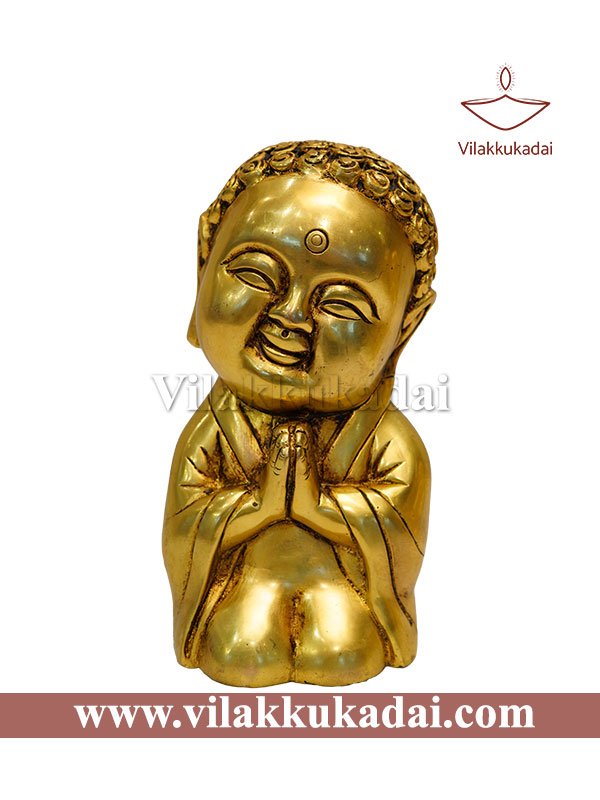
Decorative idols are sculptures or figurines, often representing deities, cultural symbols, or artistic expressions, used to enhance the aesthetic and spiritual ambiance of a home or office. They range from sacred objects for worship to modern abstract art pieces.
Key Characteristics & Description
Meaning and Symbolism: Idols often hold deep cultural, spiritual, or religious significance, representing concepts such as positivity, wealth, harmony, protection, or specific virtues. For example, a Ganesha idol symbolizes the remover of obstacles, while a meditating Buddha statue invites peace and calmness.
Materials: They are crafted from a wide range of materials, each offering different aesthetics and durability:
Metals: Brass and bronze are popular for their longevity, intricate craftsmanship, and association with luxury, often developing a rich patina over time.
Stone: Marble, granite, and sandstone can add a timeless, grand aesthetic to a space.
Resin/Polyresin: These modern, versatile materials allow for detailed designs and are often more lightweight and affordable, suitable for mass production and travel-friendly options.
Wood: Handcrafted wood idols offer an earthy look and a natural scent, ideal for a traditional feel.
Ceramic/Polyresin: Used for contemporary and abstract pieces, often with matte or glossy finishes.
Design & Craftsmanship: Idols can be simple or feature intricate detailing, often handcrafted by skilled artisans using traditional techniques. Designs can be traditional (e.g., specific postures of deities according to ancient texts) or modern (e.g., abstract thinker statues or astronaut figurines).
Usage: While some are designed specifically for a home temple or place of worship, many are used as versatile decorative showpieces for living rooms, bedrooms, offices, or gardens. They also serve as popular items for gifting on occasions like weddings, housewarmings, and birthdays.
All our products are handcrafted with care and attention.
Each piece may have slight variations in finish, detailing, or form.
These natural differences are part of the unique beauty of handmade work.
The products are made from (brass/panchalogam/copper) , a metal traditionally regarded as sacred and often used in spiritual and ritual accessories.
Shipping & Dispatch
We usually take 3–4 days to dispatch your order.
Some items may require a little additional time as some are made to order, and in such cases the dispatch window may extend to 10–20 days.
If there is any further delay, we will reach out to you personally so that you may choose to continue with the order or request a refund, whichever feels right for you.
Cancellations
Orders can be cancelled within 24 hours of placing the order.
Beyond this time-frame, the order may already be prepared for dispatch.
Shipping Availability
We currently ship within India at the listed prices.
For international orders, please contact us on WhatsApp 8072109300 to check Availability and shipping details.
Decorative idols are sculptures or figurines, often representing deities, cultural symbols, or artistic expressions, used to enhance the aesthetic and spiritual ambiance of a home or office. They range from sacred objects for worship to modern abstract art pieces.
Key Characteristics & Description
Meaning and Symbolism: Idols often hold deep cultural, spiritual, or religious significance, representing concepts such as positivity, wealth, harmony, protection, or specific virtues. For example, a Ganesha idol symbolizes the remover of obstacles, while a meditating Buddha statue invites peace and calmness.
Materials: They are crafted from a wide range of materials, each offering different aesthetics and durability:
Metals: Brass and bronze are popular for their longevity, intricate craftsmanship, and association with luxury, often developing a rich patina over time.
Stone: Marble, granite, and sandstone can add a timeless, grand aesthetic to a space.
Resin/Polyresin: These modern, versatile materials allow for detailed designs and are often more lightweight and affordable, suitable for mass production and travel-friendly options.
Wood: Handcrafted wood idols offer an earthy look and a natural scent, ideal for a traditional feel.
Ceramic/Polyresin: Used for contemporary and abstract pieces, often with matte or glossy finishes.
Design & Craftsmanship: Idols can be simple or feature intricate detailing, often handcrafted by skilled artisans using traditional techniques. Designs can be traditional (e.g., specific postures of deities according to ancient texts) or modern (e.g., abstract thinker statues or astronaut figurines).
Usage: While some are designed specifically for a home temple or place of worship, many are used as versatile decorative showpieces for living rooms, bedrooms, offices, or gardens. They also serve as popular items for gifting on occasions like weddings, housewarmings, and birthdays.
Decorative idols are sculptures or figurines, often representing deities, cultural symbols, or artistic expressions, used to enhance the aesthetic and spiritual ambiance of a home or office. They range from sacred objects for worship to modern abstract art pieces.
Key Characteristics & Description
Meaning and Symbolism: Idols often hold deep cultural, spiritual, or religious significance, representing concepts such as positivity, wealth, harmony, protection, or specific virtues. For example, a Ganesha idol symbolizes the remover of obstacles, while a meditating Buddha statue invites peace and calmness.
Materials: They are crafted from a wide range of materials, each offering different aesthetics and durability:
Metals: Brass and bronze are popular for their longevity, intricate craftsmanship, and association with luxury, often developing a rich patina over time.
Stone: Marble, granite, and sandstone can add a timeless, grand aesthetic to a space.
Resin/Polyresin: These modern, versatile materials allow for detailed designs and are often more lightweight and affordable, suitable for mass production and travel-friendly options.
Wood: Handcrafted wood idols offer an earthy look and a natural scent, ideal for a traditional feel.
Ceramic/Polyresin: Used for contemporary and abstract pieces, often with matte or glossy finishes.
Design & Craftsmanship: Idols can be simple or feature intricate detailing, often handcrafted by skilled artisans using traditional techniques. Designs can be traditional (e.g., specific postures of deities according to ancient texts) or modern (e.g., abstract thinker statues or astronaut figurines).
Usage: While some are designed specifically for a home temple or place of worship, many are used as versatile decorative showpieces for living rooms, bedrooms, offices, or gardens. They also serve as popular items for gifting on occasions like weddings, housewarmings, and birthdays.
Decorative idols are sculptures or figurines, often representing deities, cultural symbols, or artistic expressions, used to enhance the aesthetic and spiritual ambiance of a home or office. They range from sacred objects for worship to modern abstract art pieces.
Key Characteristics & Description
Meaning and Symbolism: Idols often hold deep cultural, spiritual, or religious significance, representing concepts such as positivity, wealth, harmony, protection, or specific virtues. For example, a Ganesha idol symbolizes the remover of obstacles, while a meditating Buddha statue invites peace and calmness.
Materials: They are crafted from a wide range of materials, each offering different aesthetics and durability:
Metals: Brass and bronze are popular for their longevity, intricate craftsmanship, and association with luxury, often developing a rich patina over time.
Stone: Marble, granite, and sandstone can add a timeless, grand aesthetic to a space.
Resin/Polyresin: These modern, versatile materials allow for detailed designs and are often more lightweight and affordable, suitable for mass production and travel-friendly options.
Wood: Handcrafted wood idols offer an earthy look and a natural scent, ideal for a traditional feel.
Ceramic/Polyresin: Used for contemporary and abstract pieces, often with matte or glossy finishes.
Design & Craftsmanship: Idols can be simple or feature intricate detailing, often handcrafted by skilled artisans using traditional techniques. Designs can be traditional (e.g., specific postures of deities according to ancient texts) or modern (e.g., abstract thinker statues or astronaut figurines).
Usage: While some are designed specifically for a home temple or place of worship, many are used as versatile decorative showpieces for living rooms, bedrooms, offices, or gardens. They also serve as popular items for gifting on occasions like weddings, housewarmings, and birthdays.
Decorative idols are sculptures or figurines, often representing deities, cultural symbols, or artistic expressions, used to enhance the aesthetic and spiritual ambiance of a home or office. They range from sacred objects for worship to modern abstract art pieces.
Key Characteristics & Description
Meaning and Symbolism: Idols often hold deep cultural, spiritual, or religious significance, representing concepts such as positivity, wealth, harmony, protection, or specific virtues. For example, a Ganesha idol symbolizes the remover of obstacles, while a meditating Buddha statue invites peace and calmness.
Materials: They are crafted from a wide range of materials, each offering different aesthetics and durability:
Metals: Brass and bronze are popular for their longevity, intricate craftsmanship, and association with luxury, often developing a rich patina over time.
Stone: Marble, granite, and sandstone can add a timeless, grand aesthetic to a space.
Resin/Polyresin: These modern, versatile materials allow for detailed designs and are often more lightweight and affordable, suitable for mass production and travel-friendly options.
Wood: Handcrafted wood idols offer an earthy look and a natural scent, ideal for a traditional feel.
Ceramic/Polyresin: Used for contemporary and abstract pieces, often with matte or glossy finishes.
Design & Craftsmanship: Idols can be simple or feature intricate detailing, often handcrafted by skilled artisans using traditional techniques. Designs can be traditional (e.g., specific postures of deities according to ancient texts) or modern (e.g., abstract thinker statues or astronaut figurines).
Usage: While some are designed specifically for a home temple or place of worship, many are used as versatile decorative showpieces for living rooms, bedrooms, offices, or gardens. They also serve as popular items for gifting on occasions like weddings, housewarmings, and birthdays.
Decorative idols are sculptures or figurines, often representing deities, cultural symbols, or artistic expressions, used to enhance the aesthetic and spiritual ambiance of a home or office. They range from sacred objects for worship to modern abstract art pieces.
Key Characteristics & Description
Meaning and Symbolism: Idols often hold deep cultural, spiritual, or religious significance, representing concepts such as positivity, wealth, harmony, protection, or specific virtues. For example, a Ganesha idol symbolizes the remover of obstacles, while a meditating Buddha statue invites peace and calmness.
Materials: They are crafted from a wide range of materials, each offering different aesthetics and durability:
Metals: Brass and bronze are popular for their longevity, intricate craftsmanship, and association with luxury, often developing a rich patina over time.
Stone: Marble, granite, and sandstone can add a timeless, grand aesthetic to a space.
Resin/Polyresin: These modern, versatile materials allow for detailed designs and are often more lightweight and affordable, suitable for mass production and travel-friendly options.
Wood: Handcrafted wood idols offer an earthy look and a natural scent, ideal for a traditional feel.
Ceramic/Polyresin: Used for contemporary and abstract pieces, often with matte or glossy finishes.
Design & Craftsmanship: Idols can be simple or feature intricate detailing, often handcrafted by skilled artisans using traditional techniques. Designs can be traditional (e.g., specific postures of deities according to ancient texts) or modern (e.g., abstract thinker statues or astronaut figurines).
Usage: While some are designed specifically for a home temple or place of worship, many are used as versatile decorative showpieces for living rooms, bedrooms, offices, or gardens. They also serve as popular items for gifting on occasions like weddings, housewarmings, and birthdays.
Decorative idols are sculptures or figurines, often representing deities, cultural symbols, or artistic expressions, used to enhance the aesthetic and spiritual ambiance of a home or office. They range from sacred objects for worship to modern abstract art pieces.
Key Characteristics & Description
Meaning and Symbolism: Idols often hold deep cultural, spiritual, or religious significance, representing concepts such as positivity, wealth, harmony, protection, or specific virtues. For example, a Ganesha idol symbolizes the remover of obstacles, while a meditating Buddha statue invites peace and calmness.
Materials: They are crafted from a wide range of materials, each offering different aesthetics and durability:
Metals: Brass and bronze are popular for their longevity, intricate craftsmanship, and association with luxury, often developing a rich patina over time.
Stone: Marble, granite, and sandstone can add a timeless, grand aesthetic to a space.
Resin/Polyresin: These modern, versatile materials allow for detailed designs and are often more lightweight and affordable, suitable for mass production and travel-friendly options.
Wood: Handcrafted wood idols offer an earthy look and a natural scent, ideal for a traditional feel.
Ceramic/Polyresin: Used for contemporary and abstract pieces, often with matte or glossy finishes.
Design & Craftsmanship: Idols can be simple or feature intricate detailing, often handcrafted by skilled artisans using traditional techniques. Designs can be traditional (e.g., specific postures of deities according to ancient texts) or modern (e.g., abstract thinker statues or astronaut figurines).
Usage: While some are designed specifically for a home temple or place of worship, many are used as versatile decorative showpieces for living rooms, bedrooms, offices, or gardens. They also serve as popular items for gifting on occasions like weddings, housewarmings, and birthdays.
Decorative idols are sculptures or figurines, often representing deities, cultural symbols, or artistic expressions, used to enhance the aesthetic and spiritual ambiance of a home or office. They range from sacred objects for worship to modern abstract art pieces.
Key Characteristics & Description
Meaning and Symbolism: Idols often hold deep cultural, spiritual, or religious significance, representing concepts such as positivity, wealth, harmony, protection, or specific virtues. For example, a Ganesha idol symbolizes the remover of obstacles, while a meditating Buddha statue invites peace and calmness.
Materials: They are crafted from a wide range of materials, each offering different aesthetics and durability:
Metals: Brass and bronze are popular for their longevity, intricate craftsmanship, and association with luxury, often developing a rich patina over time.
Stone: Marble, granite, and sandstone can add a timeless, grand aesthetic to a space.
Resin/Polyresin: These modern, versatile materials allow for detailed designs and are often more lightweight and affordable, suitable for mass production and travel-friendly options.
Wood: Handcrafted wood idols offer an earthy look and a natural scent, ideal for a traditional feel.
Ceramic/Polyresin: Used for contemporary and abstract pieces, often with matte or glossy finishes.
Design & Craftsmanship: Idols can be simple or feature intricate detailing, often handcrafted by skilled artisans using traditional techniques. Designs can be traditional (e.g., specific postures of deities according to ancient texts) or modern (e.g., abstract thinker statues or astronaut figurines).
Usage: While some are designed specifically for a home temple or place of worship, many are used as versatile decorative showpieces for living rooms, bedrooms, offices, or gardens. They also serve as popular items for gifting on occasions like weddings, housewarmings, and birthdays.
Decorative idols are sculptures or figurines, often representing deities, cultural symbols, or artistic expressions, used to enhance the aesthetic and spiritual ambiance of a home or office. They range from sacred objects for worship to modern abstract art pieces.
Key Characteristics & Description
Meaning and Symbolism: Idols often hold deep cultural, spiritual, or religious significance, representing concepts such as positivity, wealth, harmony, protection, or specific virtues. For example, a Ganesha idol symbolizes the remover of obstacles, while a meditating Buddha statue invites peace and calmness.
Materials: They are crafted from a wide range of materials, each offering different aesthetics and durability:
Metals: Brass and bronze are popular for their longevity, intricate craftsmanship, and association with luxury, often developing a rich patina over time.
Stone: Marble, granite, and sandstone can add a timeless, grand aesthetic to a space.
Resin/Polyresin: These modern, versatile materials allow for detailed designs and are often more lightweight and affordable, suitable for mass production and travel-friendly options.
Wood: Handcrafted wood idols offer an earthy look and a natural scent, ideal for a traditional feel.
Ceramic/Polyresin: Used for contemporary and abstract pieces, often with matte or glossy finishes.
Design & Craftsmanship: Idols can be simple or feature intricate detailing, often handcrafted by skilled artisans using traditional techniques. Designs can be traditional (e.g., specific postures of deities according to ancient texts) or modern (e.g., abstract thinker statues or astronaut figurines).
Usage: While some are designed specifically for a home temple or place of worship, many are used as versatile decorative showpieces for living rooms, bedrooms, offices, or gardens. They also serve as popular items for gifting on occasions like weddings, housewarmings, and birthdays.
A Karpaga Virutcham (also spelled Kalpavriksha, Karpaga Vriksham, or Kalpataru) is the divine, mythic wish-fulfilling tree in Hindu iconography. In South Indian traditions, it symbolizes eternal prosperity, abundance, and the manifestation of virtuous desires, making it a highly revered motif for home pooja rooms.
Iconography and Key Features
Divine Canopy: Handcrafted brass or silver idols typically depict a flourishing tree with intricately carved leaves, heavy hanging fruits, and aerial roots, symbolizing endless growth
Decorative idols are sculptures or figurines, often representing deities, cultural symbols, or artistic expressions, used to enhance the aesthetic and spiritual ambiance of a home or office. They range from sacred objects for worship to modern abstract art pieces.
Key Characteristics & Description
Meaning and Symbolism: Idols often hold deep cultural, spiritual, or religious significance, representing concepts such as positivity, wealth, harmony, protection, or specific virtues. For example, a Ganesha idol symbolizes the remover of obstacles, while a meditating Buddha statue invites peace and calmness.
Materials: They are crafted from a wide range of materials, each offering different aesthetics and durability:
Metals: Brass and bronze are popular for their longevity, intricate craftsmanship, and association with luxury, often developing a rich patina over time.
Stone: Marble, granite, and sandstone can add a timeless, grand aesthetic to a space.
Resin/Polyresin: These modern, versatile materials allow for detailed designs and are often more lightweight and affordable, suitable for mass production and travel-friendly options.
Wood: Handcrafted wood idols offer an earthy look and a natural scent, ideal for a traditional feel.
Ceramic/Polyresin: Used for contemporary and abstract pieces, often with matte or glossy finishes.
Design & Craftsmanship: Idols can be simple or feature intricate detailing, often handcrafted by skilled artisans using traditional techniques. Designs can be traditional (e.g., specific postures of deities according to ancient texts) or modern (e.g., abstract thinker statues or astronaut figurines).
Usage: While some are designed specifically for a home temple or place of worship, many are used as versatile decorative showpieces for living rooms, bedrooms, offices, or gardens. They also serve as popular items for gifting on occasions like weddings, housewarmings, and birthdays.
Decorative idols are sculptures or figurines, often representing deities, cultural symbols, or artistic expressions, used to enhance the aesthetic and spiritual ambiance of a home or office. They range from sacred objects for worship to modern abstract art pieces.
Key Characteristics & Description
Meaning and Symbolism: Idols often hold deep cultural, spiritual, or religious significance, representing concepts such as positivity, wealth, harmony, protection, or specific virtues. For example, a Ganesha idol symbolizes the remover of obstacles, while a meditating Buddha statue invites peace and calmness.
Materials: They are crafted from a wide range of materials, each offering different aesthetics and durability:
Metals: Brass and bronze are popular for their longevity, intricate craftsmanship, and association with luxury, often developing a rich patina over time.
Stone: Marble, granite, and sandstone can add a timeless, grand aesthetic to a space.
Resin/Polyresin: These modern, versatile materials allow for detailed designs and are often more lightweight and affordable, suitable for mass production and travel-friendly options.
Wood: Handcrafted wood idols offer an earthy look and a natural scent, ideal for a traditional feel.
Ceramic/Polyresin: Used for contemporary and abstract pieces, often with matte or glossy finishes.
Design & Craftsmanship: Idols can be simple or feature intricate detailing, often handcrafted by skilled artisans using traditional techniques. Designs can be traditional (e.g., specific postures of deities according to ancient texts) or modern (e.g., abstract thinker statues or astronaut figurines).
Usage: While some are designed specifically for a home temple or place of worship, many are used as versatile decorative showpieces for living rooms, bedrooms, offices, or gardens. They also serve as popular items for gifting on occasions like weddings, housewarmings, and birthdays.
Decorative idols are sculptures or figurines, often representing deities, cultural symbols, or artistic expressions, used to enhance the aesthetic and spiritual ambiance of a home or office. They range from sacred objects for worship to modern abstract art pieces.
Key Characteristics & Description
Meaning and Symbolism: Idols often hold deep cultural, spiritual, or religious significance, representing concepts such as positivity, wealth, harmony, protection, or specific virtues. For example, a Ganesha idol symbolizes the remover of obstacles, while a meditating Buddha statue invites peace and calmness.
Materials: They are crafted from a wide range of materials, each offering different aesthetics and durability:
Metals: Brass and bronze are popular for their longevity, intricate craftsmanship, and association with luxury, often developing a rich patina over time.
Stone: Marble, granite, and sandstone can add a timeless, grand aesthetic to a space.
Resin/Polyresin: These modern, versatile materials allow for detailed designs and are often more lightweight and affordable, suitable for mass production and travel-friendly options.
Wood: Handcrafted wood idols offer an earthy look and a natural scent, ideal for a traditional feel.
Ceramic/Polyresin: Used for contemporary and abstract pieces, often with matte or glossy finishes.
Design & Craftsmanship: Idols can be simple or feature intricate detailing, often handcrafted by skilled artisans using traditional techniques. Designs can be traditional (e.g., specific postures of deities according to ancient texts) or modern (e.g., abstract thinker statues or astronaut figurines).
Usage: While some are designed specifically for a home temple or place of worship, many are used as versatile decorative showpieces for living rooms, bedrooms, offices, or gardens. They also serve as popular items for gifting on occasions like weddings, housewarmings, and birthdays.
This hand-crafted piece may have slight irregularities and imperfections which only add to the unique charm of the product.
This product As crafted from brass that is considered to be a sacred metal and traditionally used in prayer accessories
SHIPPING INFO:
Dispatched in a maximum of 10-20 business days. This item is not eligible for return. Cancellation requests will be accepted strictly within 24 hours of placing the order only. This product is made on order.
For ordering out of India please Contact us in Whatsapp. Website shipment only within India
Decorative lamps are aesthetic lighting fixtures designed to beautify spaces, adding style and mood beyond mere function, available in types like chandeliers, pendant lights, wall sconces, table/floor lamps, and LED strips, crafted from materials like glass, metal, or wood, often featuring modern LED tech or classic designs to create ambiance, highlight features, or provide soft accents in homes or commercial settings.
Key Characteristics
Aesthetic Focus: Prioritizes design, craftsmanship, and unique forms (e.g., geometric, ornate, minimalist) to complement decor.
Versatility: Used for accent lighting (highlighting art), ambient glow (soft mood), or functional task lighting (reading).
Technology: Modern designs often use energy-efficient, dimmable, or smart LEDs.
Materials: Range from noble materials like brass, glass, marble to metals, wood, and even gemstones.
Common Types & Uses
Chandeliers & Pendants: Statement pieces for dining rooms, entryways, or to define spaces.
Wall Sconces: Soft wall illumination, perfect for hallways, beside beds, or highlighting artwork.
Table & Floor Lamps: Provide localized, warm light for reading nooks or cozy corners, adding texture.
LED Strips/Cove Lighting: Hidden lights under cabinets or behind TVs for subtle, modern backlighting and ambiance.
Recessed Lights: Subtle ceiling fixtures for general, fuller room illumination with minimal exposure.
Get access to your Orders, Wishlist and Recommendations.
Signup
Your personal data will be used to support your experience throughout this website, to manage access to your account, and for other purposes described in our privacy policy.