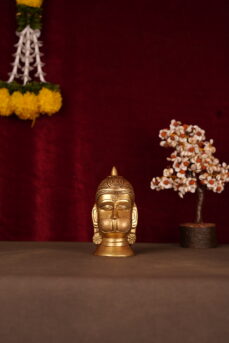
Decorative idols are sculptures or figurines, often representing deities, cultural symbols, or artistic expressions, used to enhance the aesthetic and spiritual ambiance of a home or office. They range from sacred objects for worship to modern abstract art pieces.
Key Characteristics & Description
Meaning and Symbolism: Idols often hold deep cultural, spiritual, or religious significance, representing concepts such as positivity, wealth, harmony, protection, or specific virtues. For example, a Ganesha idol symbolizes the remover of obstacles, while a meditating Buddha statue invites peace and calmness.
Materials: They are crafted from a wide range of materials, each offering different aesthetics and durability:
Metals: Brass and bronze are popular for their longevity, intricate craftsmanship, and association with luxury, often developing a rich patina over time.
Stone: Marble, granite, and sandstone can add a timeless, grand aesthetic to a space.
Resin/Polyresin: These modern, versatile materials allow for detailed designs and are often more lightweight and affordable, suitable for mass production and travel-friendly options.
Wood: Handcrafted wood idols offer an earthy look and a natural scent, ideal for a traditional feel.
Ceramic/Polyresin: Used for contemporary and abstract pieces, often with matte or glossy finishes.
Design & Craftsmanship: Idols can be simple or feature intricate detailing, often handcrafted by skilled artisans using traditional techniques. Designs can be traditional (e.g., specific postures of deities according to ancient texts) or modern (e.g., abstract thinker statues or astronaut figurines).
Usage: While some are designed specifically for a home temple or place of worship, many are used as versatile decorative showpieces for living rooms, bedrooms, offices, or gardens. They also serve as popular items for gifting on occasions like weddings, housewarmings, and birthdays.
Vaalaimaram are handcrafted with care and attention.
Each piece may have slight variations in finish, detailing, or form.
These natural differences are part of the unique beauty of handmade work.
The products are made from (brass/panchalogam/copper) , a metal traditionally regarded as sacred and often used in spiritual and ritual accessories.
Shipping & Dispatch
We usually take 3–4 days to dispatch your order.
Some items may require a little additional time as some are made to order, and in such cases the dispatch window may extend to 10–20 days.
If there is any further delay, we will reach out to you personally so that you may choose to continue with the order or request a refund, whichever feels right for you.
Cancellations
Orders can be cancelled within 24 hours of placing the order.
Beyond this time-frame, the order may already be prepared for dispatch.
Shipping Availability
We currently ship within India at the listed prices.
For international orders, please contact us on WhatsApp 8072109300 to check Availability and shipping details.
Decorative idols are sculptures or figurines, often representing deities, cultural symbols, or artistic expressions, used to enhance the aesthetic and spiritual ambiance of a home or office. They range from sacred objects for worship to modern abstract art pieces.
Key Characteristics & Description
Meaning and Symbolism: Idols often hold deep cultural, spiritual, or religious significance, representing concepts such as positivity, wealth, harmony, protection, or specific virtues. For example, a Ganesha idol symbolizes the remover of obstacles, while a meditating Buddha statue invites peace and calmness.
Materials: They are crafted from a wide range of materials, each offering different aesthetics and durability:
Metals: Brass and bronze are popular for their longevity, intricate craftsmanship, and association with luxury, often developing a rich patina over time.
Stone: Marble, granite, and sandstone can add a timeless, grand aesthetic to a space.
Resin/Polyresin: These modern, versatile materials allow for detailed designs and are often more lightweight and affordable, suitable for mass production and travel-friendly options.
Wood: Handcrafted wood idols offer an earthy look and a natural scent, ideal for a traditional feel.
Ceramic/Polyresin: Used for contemporary and abstract pieces, often with matte or glossy finishes.
Design & Craftsmanship: Idols can be simple or feature intricate detailing, often handcrafted by skilled artisans using traditional techniques. Designs can be traditional (e.g., specific postures of deities according to ancient texts) or modern (e.g., abstract thinker statues or astronaut figurines).
Usage: While some are designed specifically for a home temple or place of worship, many are used as versatile decorative showpieces for living rooms, bedrooms, offices, or gardens. They also serve as popular items for gifting on occasions like weddings, housewarmings, and birthdays.
Krishna is a major deity in Hinduism. He is worshipped as the eighth avatar of Vishnu and also as the Supreme god in his own right.
He is the god of protection, compassion, tenderness, and love is one of the most popular and widely revered among Indian divinities.
Krishna’s birthday is celebrated every year by Hindus on Krishna Janmashtami according to the lunisolar Hindu calendar.
Within the Indian epic Mahabharata, Krishna was the son of the Yadava chief Vasudeva and his mother was Devaki. Hence he was known as Vāsudeva-Krishna or Vāsudeva.
Decorative idols are sculptures or figurines, often representing deities, cultural symbols, or artistic expressions, used to enhance the aesthetic and spiritual ambiance of a home or office. They range from sacred objects for worship to modern abstract art pieces.
Key Characteristics & Description
Meaning and Symbolism: Idols often hold deep cultural, spiritual, or religious significance, representing concepts such as positivity, wealth, harmony, protection, or specific virtues. For example, a Ganesha idol symbolizes the remover of obstacles, while a meditating Buddha statue invites peace and calmness.
Materials: They are crafted from a wide range of materials, each offering different aesthetics and durability:
Metals: Brass and bronze are popular for their longevity, intricate craftsmanship, and association with luxury, often developing a rich patina over time.
Stone: Marble, granite, and sandstone can add a timeless, grand aesthetic to a space.
Resin/Polyresin: These modern, versatile materials allow for detailed designs and are often more lightweight and affordable, suitable for mass production and travel-friendly options.
Wood: Handcrafted wood idols offer an earthy look and a natural scent, ideal for a traditional feel.
Ceramic/Polyresin: Used for contemporary and abstract pieces, often with matte or glossy finishes.
Design & Craftsmanship: Idols can be simple or feature intricate detailing, often handcrafted by skilled artisans using traditional techniques. Designs can be traditional (e.g., specific postures of deities according to ancient texts) or modern (e.g., abstract thinker statues or astronaut figurines).
Usage: While some are designed specifically for a home temple or place of worship, many are used as versatile decorative showpieces for living rooms, bedrooms, offices, or gardens. They also serve as popular items for gifting on occasions like weddings, housewarmings, and birthdays.
Decorative idols are sculptures or figurines, often representing deities, cultural symbols, or artistic expressions, used to enhance the aesthetic and spiritual ambiance of a home or office. They range from sacred objects for worship to modern abstract art pieces.
Key Characteristics & Description
Meaning and Symbolism: Idols often hold deep cultural, spiritual, or religious significance, representing concepts such as positivity, wealth, harmony, protection, or specific virtues. For example, a Ganesha idol symbolizes the remover of obstacles, while a meditating Buddha statue invites peace and calmness.
Materials: They are crafted from a wide range of materials, each offering different aesthetics and durability:
Metals: Brass and bronze are popular for their longevity, intricate craftsmanship, and association with luxury, often developing a rich patina over time.
Stone: Marble, granite, and sandstone can add a timeless, grand aesthetic to a space.
Resin/Polyresin: These modern, versatile materials allow for detailed designs and are often more lightweight and affordable, suitable for mass production and travel-friendly options.
Wood: Handcrafted wood idols offer an earthy look and a natural scent, ideal for a traditional feel.
Ceramic/Polyresin: Used for contemporary and abstract pieces, often with matte or glossy finishes.
Design & Craftsmanship: Idols can be simple or feature intricate detailing, often handcrafted by skilled artisans using traditional techniques. Designs can be traditional (e.g., specific postures of deities according to ancient texts) or modern (e.g., abstract thinker statues or astronaut figurines).
Usage: While some are designed specifically for a home temple or place of worship, many are used as versatile decorative showpieces for living rooms, bedrooms, offices, or gardens. They also serve as popular items for gifting on occasions like weddings, housewarmings, and birthdays.
Decorative idols are sculptures or figurines, often representing deities, cultural symbols, or artistic expressions, used to enhance the aesthetic and spiritual ambiance of a home or office. They range from sacred objects for worship to modern abstract art pieces.
Key Characteristics & Description
Meaning and Symbolism: Idols often hold deep cultural, spiritual, or religious significance, representing concepts such as positivity, wealth, harmony, protection, or specific virtues. For example, a Ganesha idol symbolizes the remover of obstacles, while a meditating Buddha statue invites peace and calmness.
Materials: They are crafted from a wide range of materials, each offering different aesthetics and durability:
Metals: Brass and bronze are popular for their longevity, intricate craftsmanship, and association with luxury, often developing a rich patina over time.
Stone: Marble, granite, and sandstone can add a timeless, grand aesthetic to a space.
Resin/Polyresin: These modern, versatile materials allow for detailed designs and are often more lightweight and affordable, suitable for mass production and travel-friendly options.
Wood: Handcrafted wood idols offer an earthy look and a natural scent, ideal for a traditional feel.
Ceramic/Polyresin: Used for contemporary and abstract pieces, often with matte or glossy finishes.
Design & Craftsmanship: Idols can be simple or feature intricate detailing, often handcrafted by skilled artisans using traditional techniques. Designs can be traditional (e.g., specific postures of deities according to ancient texts) or modern (e.g., abstract thinker statues or astronaut figurines).
Usage: While some are designed specifically for a home temple or place of worship, many are used as versatile decorative showpieces for living rooms, bedrooms, offices, or gardens. They also serve as popular items for gifting on occasions like weddings, housewarmings, and birthdays.
God Krishna with a flute symbolizes divine music, spiritual devotion, and the enchanting qualities of Krishna.
It represents a connection to spirituality, love for music,and a desire for inner peace.
The flute is also a powerful symbol of love and devotion, capturing the essence of divine music that resonates with the hear, Krishna’s flute is often associated with the divine sound of the universe, representing the vibrations of spiritual awakening
Brass Bullock Cart – Elegant Traditional Handicraft Decor
The Brass Bullock Cart is a beautifully handcrafted decorative piece that reflects the rich cultural heritage and traditional craftsmanship of India. Made from brass with intricate detailing, this artistic showpiece showcases a classic bullock cart design symbolizing rural life, hard work, and prosperity. Ideal for gifting during festivals, housewarming ceremonies, weddings, and special occasions, the brass bullock cart adds a timeless ethnic charm to any space.
Usages:
Home decoration for living rooms, showcases, and entrance areas
Office and desk decor for a traditional artistic touch
Decorative centerpiece for hotels, resorts, and cultural spaces
Spiritual and Vastu decor symbolizing prosperity and positivity
Gift item for festivals, weddings, anniversaries, and housewarming events
Collection piece for antique and handicraft lovers
Suitable for cultural exhibitions and traditional theme decorations
Krishna is a major deity in Hinduism. He is worshipped as the eighth avatar of Vishnu and also as the Supreme god in his own right.
He is the god of protection, compassion, tenderness, and love is one of the most popular and widely revered among Indian divinities.
Krishna’s birthday is celebrated every year by Hindus on Krishna Janmashtami according to the lunisolar Hindu calendar.
Within the Indian epic Mahabharata, Krishna was the son of the Yadava chief Vasudeva and his mother was Devaki. Hence he was known as Vāsudeva-Krishna or Vāsudeva.
God Krishna with a flute symbolizes divine music, spiritual devotion, and the enchanting qualities of Krishna.
It represents a connection to spirituality, love for music,and a desire for inner peace.
The flute is also a powerful symbol of love and devotion, capturing the essence of divine music that resonates with the hear, Krishna’s flute is often associated with the divine sound of the universe, representing the vibrations of spiritual awakening
Decorative idols are sculptures or figurines, often representing deities, cultural symbols, or artistic expressions, used to enhance the aesthetic and spiritual ambiance of a home or office. They range from sacred objects for worship to modern abstract art pieces.
Key Characteristics & Description
Meaning and Symbolism: Idols often hold deep cultural, spiritual, or religious significance, representing concepts such as positivity, wealth, harmony, protection, or specific virtues. For example, a Ganesha idol symbolizes the remover of obstacles, while a meditating Buddha statue invites peace and calmness.
Materials: They are crafted from a wide range of materials, each offering different aesthetics and durability:
Metals: Brass and bronze are popular for their longevity, intricate craftsmanship, and association with luxury, often developing a rich patina over time.
Stone: Marble, granite, and sandstone can add a timeless, grand aesthetic to a space.
Resin/Polyresin: These modern, versatile materials allow for detailed designs and are often more lightweight and affordable, suitable for mass production and travel-friendly options.
Wood: Handcrafted wood idols offer an earthy look and a natural scent, ideal for a traditional feel.
Ceramic/Polyresin: Used for contemporary and abstract pieces, often with matte or glossy finishes.
Design & Craftsmanship: Idols can be simple or feature intricate detailing, often handcrafted by skilled artisans using traditional techniques. Designs can be traditional (e.g., specific postures of deities according to ancient texts) or modern (e.g., abstract thinker statues or astronaut figurines).
Usage: While some are designed specifically for a home temple or place of worship, many are used as versatile decorative showpieces for living rooms, bedrooms, offices, or gardens. They also serve as popular items for gifting on occasions like weddings, housewarmings, and birthdays.
Decorative idols are sculptures or figurines, often representing deities, cultural symbols, or artistic expressions, used to enhance the aesthetic and spiritual ambiance of a home or office. They range from sacred objects for worship to modern abstract art pieces.
Key Characteristics & Description
Meaning and Symbolism: Idols often hold deep cultural, spiritual, or religious significance, representing concepts such as positivity, wealth, harmony, protection, or specific virtues. For example, a Ganesha idol symbolizes the remover of obstacles, while a meditating Buddha statue invites peace and calmness.
Materials: They are crafted from a wide range of materials, each offering different aesthetics and durability:
Metals: Brass and bronze are popular for their longevity, intricate craftsmanship, and association with luxury, often developing a rich patina over time.
Stone: Marble, granite, and sandstone can add a timeless, grand aesthetic to a space.
Resin/Polyresin: These modern, versatile materials allow for detailed designs and are often more lightweight and affordable, suitable for mass production and travel-friendly options.
Wood: Handcrafted wood idols offer an earthy look and a natural scent, ideal for a traditional feel.
Ceramic/Polyresin: Used for contemporary and abstract pieces, often with matte or glossy finishes.
Design & Craftsmanship: Idols can be simple or feature intricate detailing, often handcrafted by skilled artisans using traditional techniques. Designs can be traditional (e.g., specific postures of deities according to ancient texts) or modern (e.g., abstract thinker statues or astronaut figurines).
Usage: While some are designed specifically for a home temple or place of worship, many are used as versatile decorative showpieces for living rooms, bedrooms, offices, or gardens. They also serve as popular items for gifting on occasions like weddings, housewarmings, and birthdays.
Decorative idols are sculptures or figurines, often representing deities, cultural symbols, or artistic expressions, used to enhance the aesthetic and spiritual ambiance of a home or office. They range from sacred objects for worship to modern abstract art pieces.
Key Characteristics & Description
Meaning and Symbolism: Idols often hold deep cultural, spiritual, or religious significance, representing concepts such as positivity, wealth, harmony, protection, or specific virtues. For example, a Ganesha idol symbolizes the remover of obstacles, while a meditating Buddha statue invites peace and calmness.
Materials: They are crafted from a wide range of materials, each offering different aesthetics and durability:
Metals: Brass and bronze are popular for their longevity, intricate craftsmanship, and association with luxury, often developing a rich patina over time.
Stone: Marble, granite, and sandstone can add a timeless, grand aesthetic to a space.
Resin/Polyresin: These modern, versatile materials allow for detailed designs and are often more lightweight and affordable, suitable for mass production and travel-friendly options.
Wood: Handcrafted wood idols offer an earthy look and a natural scent, ideal for a traditional feel.
Ceramic/Polyresin: Used for contemporary and abstract pieces, often with matte or glossy finishes.
Design & Craftsmanship: Idols can be simple or feature intricate detailing, often handcrafted by skilled artisans using traditional techniques. Designs can be traditional (e.g., specific postures of deities according to ancient texts) or modern (e.g., abstract thinker statues or astronaut figurines).
Usage: While some are designed specifically for a home temple or place of worship, many are used as versatile decorative showpieces for living rooms, bedrooms, offices, or gardens. They also serve as popular items for gifting on occasions like weddings, housewarmings, and birthdays.
Decorative idols are sculptures or figurines, often representing deities, cultural symbols, or artistic expressions, used to enhance the aesthetic and spiritual ambiance of a home or office. They range from sacred objects for worship to modern abstract art pieces.
Key Characteristics & Description
Meaning and Symbolism: Idols often hold deep cultural, spiritual, or religious significance, representing concepts such as positivity, wealth, harmony, protection, or specific virtues. For example, a Ganesha idol symbolizes the remover of obstacles, while a meditating Buddha statue invites peace and calmness.
Materials: They are crafted from a wide range of materials, each offering different aesthetics and durability:
Metals: Brass and bronze are popular for their longevity, intricate craftsmanship, and association with luxury, often developing a rich patina over time.
Stone: Marble, granite, and sandstone can add a timeless, grand aesthetic to a space.
Resin/Polyresin: These modern, versatile materials allow for detailed designs and are often more lightweight and affordable, suitable for mass production and travel-friendly options.
Wood: Handcrafted wood idols offer an earthy look and a natural scent, ideal for a traditional feel.
Ceramic/Polyresin: Used for contemporary and abstract pieces, often with matte or glossy finishes.
Design & Craftsmanship: Idols can be simple or feature intricate detailing, often handcrafted by skilled artisans using traditional techniques. Designs can be traditional (e.g., specific postures of deities according to ancient texts) or modern (e.g., abstract thinker statues or astronaut figurines).
Usage: While some are designed specifically for a home temple or place of worship, many are used as versatile decorative showpieces for living rooms, bedrooms, offices, or gardens. They also serve as popular items for gifting on occasions like weddings, housewarmings, and birthdays.
Get access to your Orders, Wishlist and Recommendations.
Signup
Your personal data will be used to support your experience throughout this website, to manage access to your account, and for other purposes described in our privacy policy.