An Urli is a traditional Indian round bowl, often brass or iron, used decoratively and spiritually, filled with water, floating flowers (like marigolds, lotuses), and candles for auspicious vibes, especially in entrances or pooja rooms, symbolizing wealth and positive energy, while Gods Urli specifically refers to decorative urlis featuring deities like Ganesha or motifs (elephants, peacocks) for enhanced spiritual significance, serving as festive centerpieces or sacred accents in homes and temples.
Decorative Urli (General)
Description: A shallow, round vessel, traditionally iron, clay, bronze, or brass, used for home décor.
Purpose: To create a serene, welcoming ambiance, often placed at entrances or living areas.
Decoration: Filled with water, floating flower petals (marigolds, lotuses), and candles or diyas for festive and calming effects.
Significance: Represents purity, prosperity, and good energy, bringing positive Vastu vibrations.
Gods Urli (Spiritual/Themed)
Description: Urlis with carved figures or motifs of deities (Ganesha, Lakshmi), sacred symbols (Swastik, Charan), or animals (elephants, peacocks).
Purpose: To elevate the spiritual feel of pooja rooms or sacred spaces, acting as devotional centerpieces.
Decoration: Same as decorative urlis (water, flowers, lights) but with added divine imagery, often used for Diwali, Ganesh Chaturthi, or daily worship.
Significance: Connects home décor to specific deities, enhancing the sanctity and auspiciousness of the space, bringing blessings.
In essence, a decorative urli focuses on general aesthetics, while a “Gods Urli” integrates specific religious symbolism for deeper spiritual meaning and festive celebration.
All our products are handcrafted with care and attention.
Each piece may have slight variations in finish, detailing, or form.
These natural differences are part of the unique beauty of handmade work.
The products are made from (brass/panchalogam/copper) , a metal traditionally regarded as sacred and often used in spiritual and ritual accessories.
Shipping & Dispatch
We usually take 3–4 days to dispatch your order.
Some items may require a little additional time as some are made to order, and in such cases the dispatch window may extend to 10–20 days.
If there is any further delay, we will reach out to you personally so that you may choose to continue with the order or request a refund, whichever feels right for you.
Cancellations
Orders can be cancelled within 24 hours of placing the order.
Beyond this time-frame, the order may already be prepared for dispatch.
Shipping Availability
We ship across India at the listed prices.
We also ship worldwide. International shipping charges are calculated at checkout.
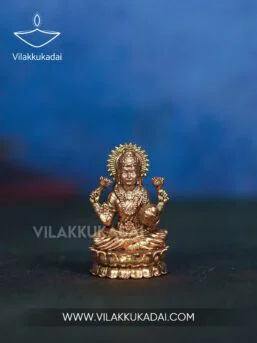
Lakshmi is one of the principal goddesses in Hinduism. She is the goddess of wealth, fortune, power, beauty, fertility and prosperity, and associated with Maya (“Illusion”). Along with Parvati and Saraswati, she forms the Tridevi of Hindu goddesses.
Lakshmi is venerated as the prosperity aspect of the Mother goddess.
Lakshmi is both the consort and the divine energy (shakti) of the Hindu god Vishnu, the Supreme Being of Vaishnavism; she is also the Supreme Goddess in the sect and assists Vishnu to create, protect, and transform the universe.
An Urli is a traditional Indian round bowl, often brass or iron, used decoratively and spiritually, filled with water, floating flowers (like marigolds, lotuses), and candles for auspicious vibes, especially in entrances or pooja rooms, symbolizing wealth and positive energy, while Gods Urli specifically refers to decorative urlis featuring deities like Ganesha or motifs (elephants, peacocks) for enhanced spiritual significance, serving as festive centerpieces or sacred accents in homes and temples.
Decorative Urli (General)
Description: A shallow, round vessel, traditionally iron, clay, bronze, or brass, used for home décor.
Purpose: To create a serene, welcoming ambiance, often placed at entrances or living areas.
Decoration: Filled with water, floating flower petals (marigolds, lotuses), and candles or diyas for festive and calming effects.
Significance: Represents purity, prosperity, and good energy, bringing positive Vastu vibrations.
Gods Urli (Spiritual/Themed)
Description: Urlis with carved figures or motifs of deities (Ganesha, Lakshmi), sacred symbols (Swastik, Charan), or animals (elephants, peacocks).
Purpose: To elevate the spiritual feel of pooja rooms or sacred spaces, acting as devotional centerpieces.
Decoration: Same as decorative urlis (water, flowers, lights) but with added divine imagery, often used for Diwali, Ganesh Chaturthi, or daily worship.
Significance: Connects home décor to specific deities, enhancing the sanctity and auspiciousness of the space, bringing blessings.
In essence, a decorative urli focuses on general aesthetics, while a “Gods Urli” integrates specific religious symbolism for deeper spiritual meaning and festive celebration.
Kubera, a significant deity in Hinduism, often translated as Lord of Wealth or God of Wealth.He is also known as Kuvera or Kuberan.
Kubera is revered as the guardian of treasures and riches, and is also the King of the Yakshas.
Kubera is the god of wealth: He is believed to be the custodian of all earthly treasures, including precious stones and metals. He is the King of the Yakshas,Yakshas are semi-divine beings, and Kubera is their leader.
Kubera is the guardian of the north. He is associated with prosperity.
Kubera’s influence extends to both material wealth and spiritual abundance.
An urli (or uruli) is a traditional, shallow, wide-mouthed Indian vessel, often made of brass, bronze, clay, or copper, originally used in South India for cooking large meals and preparing Ayurvedic medicines, but now popular as a decorative item for floating flowers and candles during festivals, symbolizing prosperity and hospitality.
Key characteristics & uses:
Shape:
A wide, round, shallow bowl, derived from the Tamil word urulai (round bowl).
Materials:
Traditionally clay, copper, brass, or bronze; can also be iron or stone.
Traditional Use:
Cooking dishes like payasam, making herbal remedies in Ayurveda, and as large cookware for feasts.
Modern Decor:
Popularly used as a decorative centerpiece, filled with water, flowers (like marigolds, roses), and floating candles for a festive or serene look, especially at entrances or in living areas.
Cultural Significance:
Represents hospitality, prosperity, and good health, often used in Vastu Shastra to attract positive energy and balance.
In essence, an urli has evolved from a utilitarian cooking pot to a cherished decorative piece, blending cultural tradition with aesthetic appeal in modern homes.
A Prasadha Urli is a traditional South Indian shallow, round vessel (or bowl) used specifically for holding and distributing prasadam (consecrated food offered to deities) to devotees.
Description
Function: The primary purpose is religious and cultural. After food (Naivedya) has been offered to a deity during a puja or temple ritual, it is considered blessed (prasadam). This sacred food is transferred to the urli and shared among worshippers as a divine gift.
Material: These vessels are traditionally crafted from sacred metals like brass, bronze, or copper, which are considered pure and durable for religious accessories.
Shape and Size: It has a wide, shallow, and circular basin-like shape. The size varies from small, home-altar versions to very large ones used for major festivals and ceremonies, depending on the quantity of food to be served.
Significance: The use of the vessel symbolizes receiving blessings and grace from the divine. Consuming food from it is considered a sacred act that brings spiritual nourishment and good fortune.
Modern Use
While its primary role remains in religious contexts, the urli’s elegant design has led to widespread use as a decorative item in modern homes and hotels. It is often filled with water and adorned with floating flowers, petals, or candles to create a serene and welcoming ambiance, especially at the entrance or as a centerpiece during festivals like Diwali.
An urli (or uruli) is a traditional, shallow, wide-mouthed Indian vessel, often made of brass, bronze, clay, or copper, originally used in South India for cooking large meals and preparing Ayurvedic medicines, but now popular as a decorative item for floating flowers and candles during festivals, symbolizing prosperity and hospitality.
Key characteristics & uses:
Shape:
A wide, round, shallow bowl, derived from the Tamil word urulai (round bowl).
Materials:
Traditionally clay, copper, brass, or bronze; can also be iron or stone.
Traditional Use:
Cooking dishes like payasam, making herbal remedies in Ayurveda, and as large cookware for feasts.
Modern Decor:
Popularly used as a decorative centerpiece, filled with water, flowers (like marigolds, roses), and floating candles for a festive or serene look, especially at entrances or in living areas.
Cultural Significance:
Represents hospitality, prosperity, and good health, often used in Vastu Shastra to attract positive energy and balance.
In essence, an urli has evolved from a utilitarian cooking pot to a cherished decorative piece, blending cultural tradition with aesthetic appeal in modern homes.
An Urli is a traditional Indian round bowl, often brass or iron, used decoratively and spiritually, filled with water, floating flowers (like marigolds, lotuses), and candles for auspicious vibes, especially in entrances or pooja rooms, symbolizing wealth and positive energy, while Gods Urli specifically refers to decorative urlis featuring deities like Ganesha or motifs (elephants, peacocks) for enhanced spiritual significance, serving as festive centerpieces or sacred accents in homes and temples.
Decorative Urli (General)
Description: A shallow, round vessel, traditionally iron, clay, bronze, or brass, used for home décor.
Purpose: To create a serene, welcoming ambiance, often placed at entrances or living areas.
Decoration: Filled with water, floating flower petals (marigolds, lotuses), and candles or diyas for festive and calming effects.
Significance: Represents purity, prosperity, and good energy, bringing positive Vastu vibrations.
Gods Urli (Spiritual/Themed)
Description: Urlis with carved figures or motifs of deities (Ganesha, Lakshmi), sacred symbols (Swastik, Charan), or animals (elephants, peacocks).
Purpose: To elevate the spiritual feel of pooja rooms or sacred spaces, acting as devotional centerpieces.
Decoration: Same as decorative urlis (water, flowers, lights) but with added divine imagery, often used for Diwali, Ganesh Chaturthi, or daily worship.
Significance: Connects home décor to specific deities, enhancing the sanctity and auspiciousness of the space, bringing blessings.
In essence, a decorative urli focuses on general aesthetics, while a “Gods Urli” integrates specific religious symbolism for deeper spiritual meaning and festive celebration.
An urli (or uruli) is a traditional, shallow, wide-mouthed Indian vessel, often made of brass, bronze, clay, or copper, originally used in South India for cooking large meals and preparing Ayurvedic medicines, but now popular as a decorative item for floating flowers and candles during festivals, symbolizing prosperity and hospitality.
Key characteristics & uses:
Shape:
A wide, round, shallow bowl, derived from the Tamil word urulai (round bowl).
Materials:
Traditionally clay, copper, brass, or bronze; can also be iron or stone.
Traditional Use:
Cooking dishes like payasam, making herbal remedies in Ayurveda, and as large cookware for feasts.
Modern Decor:
Popularly used as a decorative centerpiece, filled with water, flowers (like marigolds, roses), and floating candles for a festive or serene look, especially at entrances or in living areas.
Cultural Significance:
Represents hospitality, prosperity, and good health, often used in Vastu Shastra to attract positive energy and balance.
In essence, an urli has evolved from a utilitarian cooking pot to a cherished decorative piece, blending cultural tradition with aesthetic appeal in modern homes.
A Prasadha Urli is a traditional South Indian shallow, round vessel (or bowl) used specifically for holding and distributing prasadam (consecrated food offered to deities) to devotees.
Description
Function: The primary purpose is religious and cultural. After food (Naivedya) has been offered to a deity during a puja or temple ritual, it is considered blessed (prasadam). This sacred food is transferred to the urli and shared among worshippers as a divine gift.
Material: These vessels are traditionally crafted from sacred metals like brass, bronze, or copper, which are considered pure and durable for religious accessories.
Shape and Size: It has a wide, shallow, and circular basin-like shape. The size varies from small, home-altar versions to very large ones used for major festivals and ceremonies, depending on the quantity of food to be served.
Significance: The use of the vessel symbolizes receiving blessings and grace from the divine. Consuming food from it is considered a sacred act that brings spiritual nourishment and good fortune.
Modern Use
While its primary role remains in religious contexts, the urli’s elegant design has led to widespread use as a decorative item in modern homes and hotels. It is often filled with water and adorned with floating flowers, petals, or candles to create a serene and welcoming ambiance, especially at the entrance or as a centerpiece during festivals like Diwali.
An Urli is a traditional Indian round bowl, often brass or iron, used decoratively and spiritually, filled with water, floating flowers (like marigolds, lotuses), and candles for auspicious vibes, especially in entrances or pooja rooms, symbolizing wealth and positive energy, while Gods Urli specifically refers to decorative urlis featuring deities like Ganesha or motifs (elephants, peacocks) for enhanced spiritual significance, serving as festive centerpieces or sacred accents in homes and temples.
Decorative Urli (General)
Description: A shallow, round vessel, traditionally iron, clay, bronze, or brass, used for home décor.
Purpose: To create a serene, welcoming ambiance, often placed at entrances or living areas.
Decoration: Filled with water, floating flower petals (marigolds, lotuses), and candles or diyas for festive and calming effects.
Significance: Represents purity, prosperity, and good energy, bringing positive Vastu vibrations.
Gods Urli (Spiritual/Themed)
Description: Urlis with carved figures or motifs of deities (Ganesha, Lakshmi), sacred symbols (Swastik, Charan), or animals (elephants, peacocks).
Purpose: To elevate the spiritual feel of pooja rooms or sacred spaces, acting as devotional centerpieces.
Decoration: Same as decorative urlis (water, flowers, lights) but with added divine imagery, often used for Diwali, Ganesh Chaturthi, or daily worship.
Significance: Connects home décor to specific deities, enhancing the sanctity and auspiciousness of the space, bringing blessings.
In essence, a decorative urli focuses on general aesthetics, while a “Gods Urli” integrates specific religious symbolism for deeper spiritual meaning and festive celebration.
Saraswati is the embodiment of knowledge, wisdom, and learning.She is also the patron deity of the arts, music, and all creative endeavors.
Saraswati is seen as the goddess of speech, eloquence, and the ability to express oneself clearly.
The name Saraswati is derived from the Sanskrit words “saras” (meaning “flowing stream” or “river”) and “wati” (meaning “she who possesses”). This suggests she is the one who possesses or controls the flow of knowledge and wisdom.
Saraswati is considered the consort of Brahma, the creator god in Hinduism, and is often depicted with him.
She is typically depicted holding a book, a veena (a stringed musical instrument), and a rosary, representing knowledge, music, and devotion.
She is also known by other names, such as Sharada, Savitri, Vani, and Vagdevi, all of which relate to her role as the goddess of knowledge, wisdom, and speech.
Varahi Amman Divine Idol – Symbol of Protection and Prosperity
Bring the powerful blessings of Varahi Amman, the revered goddess of courage, protection, and abundance, into your home with this beautifully crafted divine idol. Designed with intricate detailing and a graceful finish, this sacred piece reflects the majestic presence of the goddess and enhances the spiritual ambiance of any space.
Add a touch of tradition and functionality to your home with the Manai, a metal platform used for seating, pooja rituals, and decorative arrangements. Symbolizing respect and cultural heritage, this beautifully crafted piece is ideal for placing idols, lamps, or for traditional seating during ceremonies. Perfect for pooja rooms, festive occasions, and home decor, the manai combines practicality with timeless traditional charm.
The Brass Manai Palagai is a traditional elevated seat crafted in brass, used during pooja rituals, auspicious ceremonies, and special religious functions. It is placed to seat deities, scriptures, or sacred items, symbolizing respect, purity, and divine presence. Brass, known for its durability and spiritual significance, enhances positivity and is believed to attract prosperity and blessings. This sacred piece beautifully blends tradition with elegance.
Get access to your Orders, Wishlist and Recommendations.
Signup
Your personal data will be used to support your experience throughout this website, to manage access to your account, and for other purposes described in our privacy policy.